

Tuya APP development for product-specific smart-device experiences
Choose the right app route: OEM App, App SDK, Mini App, or private app connected through Tuya Cloud.
The app is where users judge the product. A Tuya app project must align device pairing, panel behavior, smart scenes, account flow, push notifications, analytics, support, and store release with the actual hardware behavior.
Tuya app delivery modules
The implementation can stay close to Tuya OEM App for speed or move into App SDK when the product requires deeper control.
OEM App configuration
Branding, app settings, language, device categories, standard panels, push notification rules, and launch preparation.
App SDK development
Custom mobile app architecture, login, pairing, device control, scenes, notifications, analytics, and release pipeline.
Device panel customization
Product-specific control panels, state display, command safety, schedules, alarms, and user guidance.
Smart scenes and automation
Design scene logic, trigger conditions, device linkage, notification behavior, and edge cases for real users.
Testing and release support
Pairing tests, firmware compatibility, app QA, analytics events, crash tracking, store release, and version planning.
Compare the main Tuya app customization routes
Different app paths create different delivery cycles, engineering investment, and control over the user experience. Start with the business goal, then select the technical route.
| Decision area | OEM App | SDK App | Mini App and Device Panel |
|---|---|---|---|
| Typical use | Fast market entry, product validation, and basic brand customization. | Independent brand experience, data ownership, and complex system integration. | Lightweight industry functions and device-specific interaction inside the Tuya ecosystem. |
| Best fit | Startups, hardware brands, and standard smart devices. | Mid-to-large brands, complex workflows, and private platforms. | Industry mini apps, distinctive panels, and reusable cross-device functions. |
| Key engineering focus | Visual configuration, language settings, module selection, and release QA. | Custom UI, account model, device communication, migration, analytics, and release pipeline. | Ray/Web implementation, panel logic, scene calls, host-app compatibility, and fast iteration. |
Design the app around real device uncertainty
Smart-device apps must handle weak networks, pairing failures, stale status, delayed commands, firmware versions, safety limits, and support diagnostics.
Pairing and ownership
Wi-Fi, Bluetooth, QR, sharing, reset, family accounts, and first-use guidance.
Panel and control states
Commands, status feedback, schedules, warnings, disabled states, and hardware safety boundaries.
Release and support
Analytics, crash reporting, app store materials, user feedback, logs, and release notes.
Where Tuya app projects usually need extra engineering attention
The visible UI is only part of the app. The deeper work is making device behavior understandable and supportable for users.
Device onboarding
The first pairing experience should reduce support burden and make failure states explainable.
- Pairing route selection
- Reset and retry guidance
- Network permission prompts
- Device ownership and sharing
Panel and command safety
Controls should reflect device state, firmware limits, user role, and risky commands.
- Status freshness
- Command confirmation
- Error and offline states
- Scheduled action behavior
Scenes, notifications, and analytics
Automations need a clear user model and logs so product teams can understand how devices are actually used.
- Scene templates
- Trigger/action mapping
- Push notification policy
- Analytics event plan
Tuya app delivery path
We keep app decisions connected with device behavior and release requirements.
Product and business definition
Clarify target device types, Tuya ecosystem status, user roles, market plan, data ownership, and the first release boundary.
Scope, risk list, and delivery roadmapPrototype and integration validation
Validate DP model, app experience, cloud API, firmware behavior, account flow, and connected-device test cases before full development.
Prototype, API notes, and test planDevelopment and QA delivery
Build the app, panel, cloud integration, firmware coordination, dashboards, alerts, and business-system links according to the confirmed scope.
Production-ready modules and QA evidenceLaunch and iteration support
Support app release, Tuya project configuration, data monitoring, issue triage, documentation, and the next version roadmap.
Release handoff and iteration backlogWhy use ZedIoT for Tuya APP development
The team can connect app decisions with device, firmware, cloud, and support realities instead of treating the app as an isolated UI project.
App route selection before cost expands
We help decide when OEM App is enough, when App SDK is justified, and when a private app route makes sense.
Device-aware UX
Controls, errors, logs, and onboarding are designed around hardware behavior and field conditions.
Release-ready handoff
QA devices, store materials, analytics, support notes, and version planning are included in the release path.
Related Tuya implementation paths
 Tuya AIoT Development Use the broader route when app delivery also needs cloud, hardware, DP model, certification, and rollout planning.
  Tuya IoT Cloud Integration Connect app and device events with private dashboards, alerts, and business systems.
 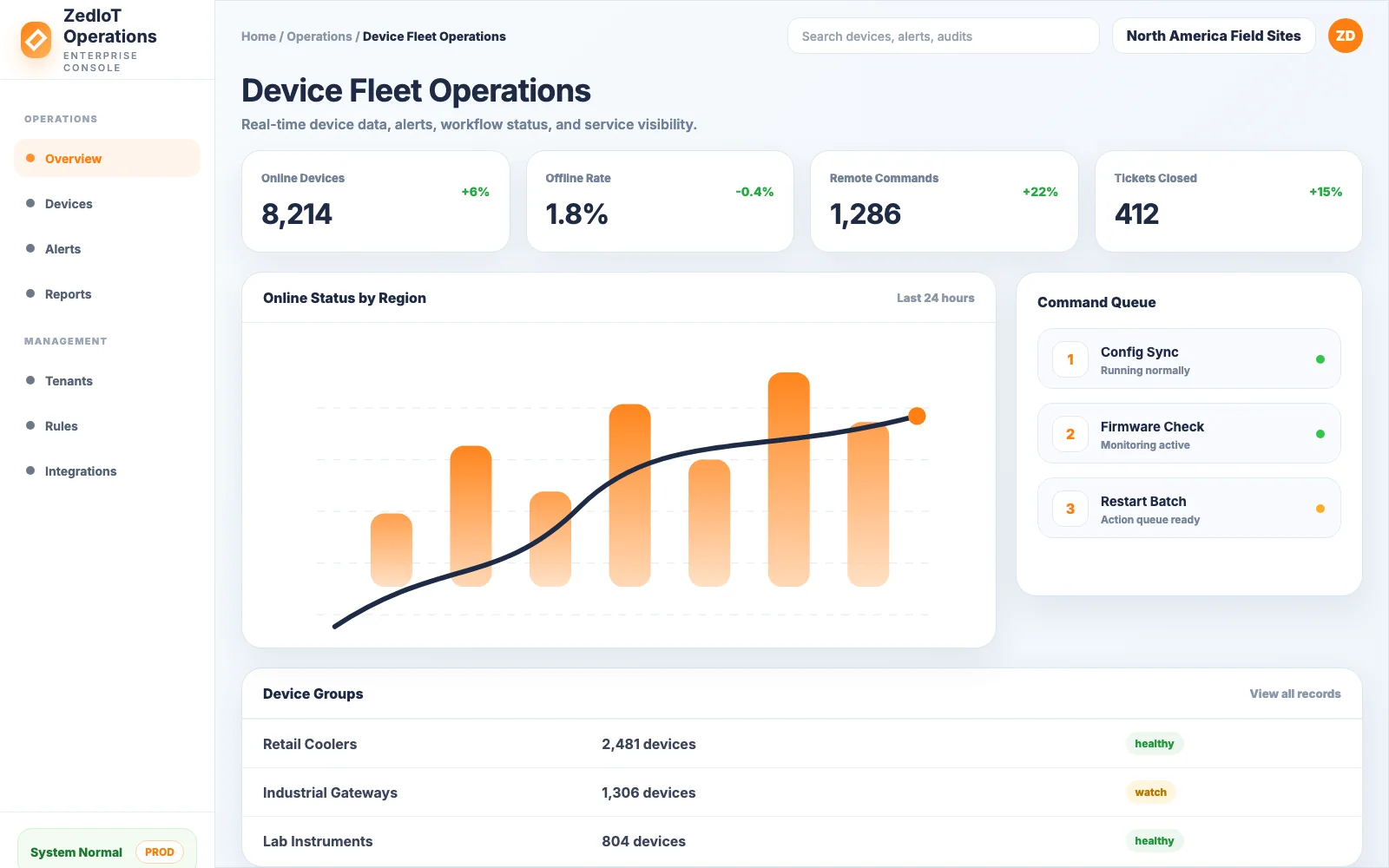 ZedIoT Platform Use a private AIoT platform when Tuya device data must connect with dashboards, alerts, APIs, and customer-owned operations.
  Custom IoT Development For projects that need device connectivity, apps, cloud services, gateways, dashboards, and business workflows beyond Tuya alone.
 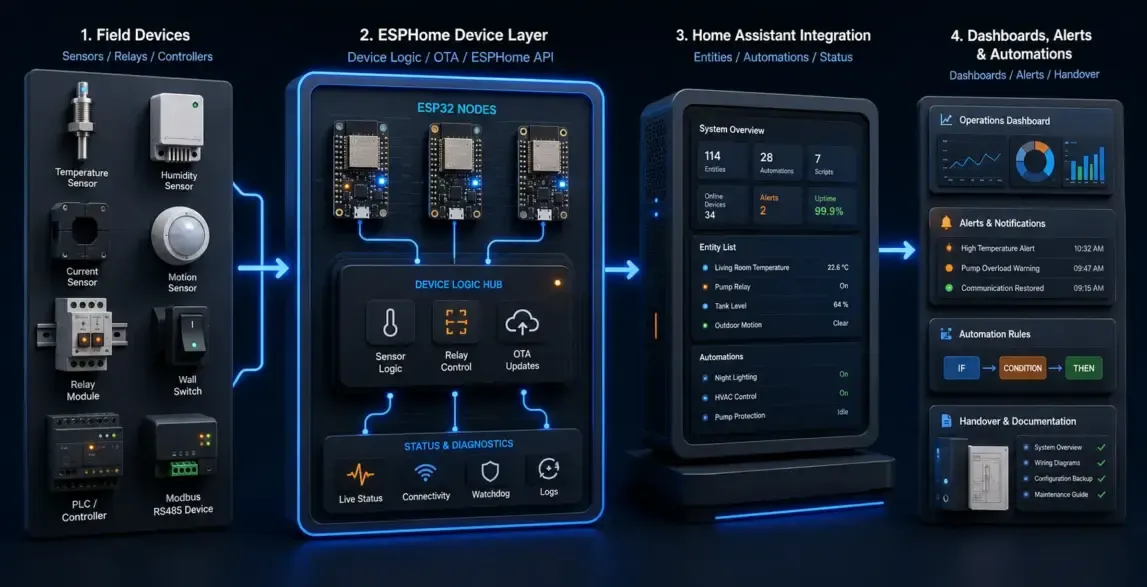 ESPHome + Home Assistant Integration A practical path when local automation, Home Assistant dashboards, and open integration are more important than a closed app flow.
 Tuya app development guides
Use these notes to evaluate the right app route and avoid late changes.
 Tuya strategy How to move from OEM App to App SDK without breaking users Choose the right upgrade path when branding, user ownership, and control experience need more flexibility.
 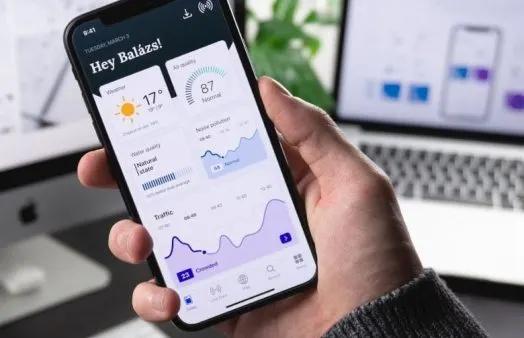 App delivery Tuya Mini App use cases for fast smart-device experiences Use mini apps when the product needs lighter workflow delivery inside the Tuya ecosystem.
  Hardware planning Tuya module selection and hardware integration checklist Avoid late-stage surprises by reviewing module, DP, power, certification, and production constraints early.
 Confirm the ecosystem boundary before defining the development scope
Can you build a custom app with Tuya App SDK?
Yes. Scope can include mobile architecture, Tuya SDK integration, account flow, pairing, device panel, scenes, notifications, analytics, QA, and release support.
Is Tuya OEM App enough for most products?
It can be enough for fast launch and common device control. If the product needs custom workflows, private data, unusual onboarding, or deeper brand control, App SDK or a private app route should be reviewed.
Can you customize device panels?
Yes. We can support panel logic, UI states, schedules, fault display, alarm prompts, and user guidance. The exact path depends on Tuya project type and panel capabilities.
Send us your device type, Tuya status, and target market
Tell us your current app route, target devices, control panels, pairing requirements, release market, and what the standard Tuya app cannot cover.
Full contact pageSubmit project details