
IoT consulting that turns device ideas into a buildable roadmap
Use ZedIoT consulting to diagnose device readiness, protocol access, platform choices, integration risk, security boundaries, and the smallest useful pilot before committing budget to custom development.

Clarify business value, target users, device readiness, data quality, and the decision blocking progress.
Compare gateway, firmware, platform, SaaS, private cloud, API, and AI workflow options before development.
Define the smallest useful proof, acceptance evidence, integration boundary, and next build scope.

A useful review shows what to build, what to reuse, and what to prove first
The goal is to make the next investment decision easier. We separate the business outcome, device reality, integration path, security boundary, and pilot proof instead of recommending a generic platform build.
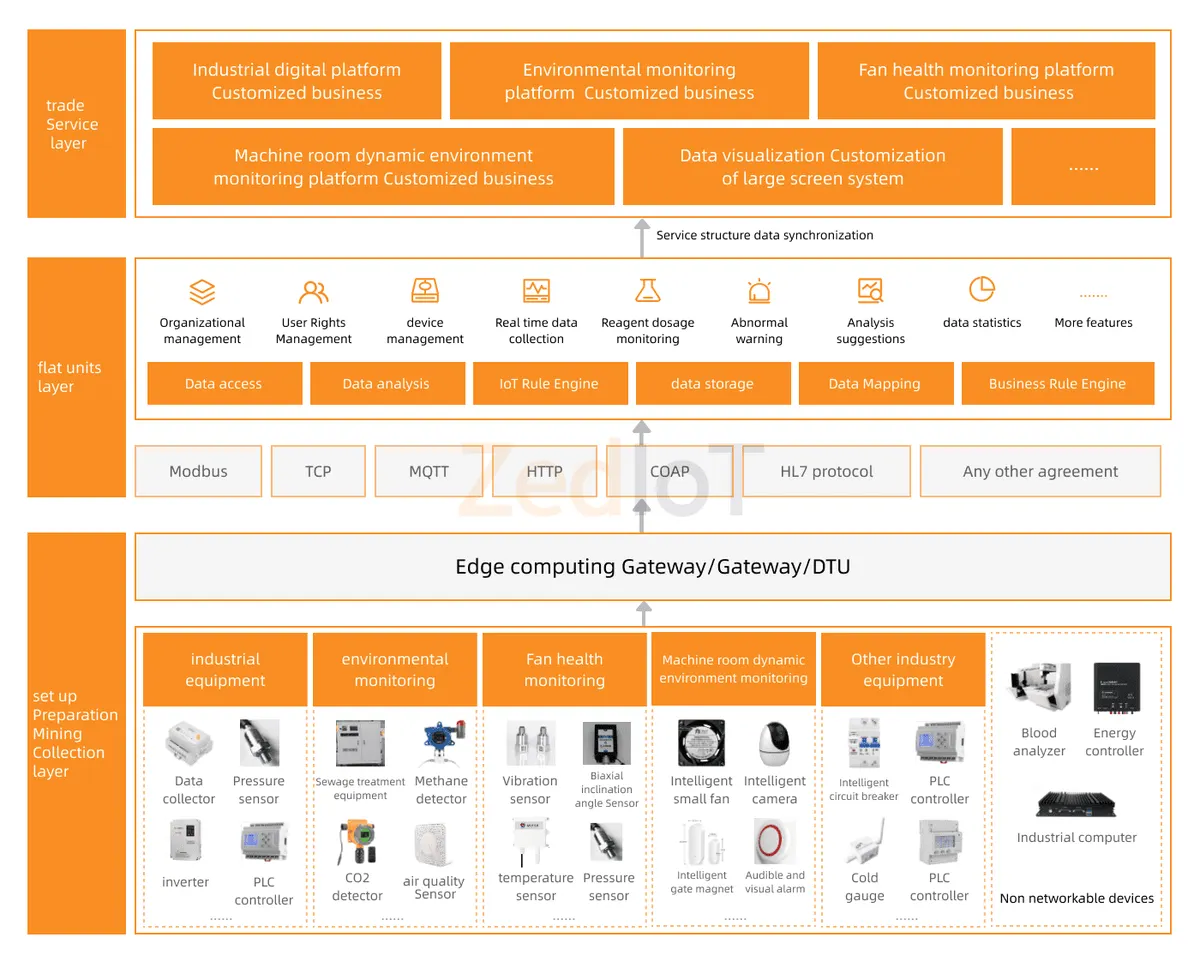
A useful consulting review turns uncertainty into a buildable path
Many IoT projects fail before coding starts because device access, protocol quality, data ownership, user workflow, and platform scope are not aligned.
- Map existing devices, software systems, users, and operating goals
- Compare architecture options against risk, cost, security, and rollout speed
- Define pilot evidence before a full development budget is committed
Consulting checklist before implementation starts
The review separates business goals, device reality, architecture choices, ownership risk, and pilot evidence before a build team commits to one route.
Business and workflow diagnosis
Clarify product direction, buyer value, user roles, operating model, budget constraints, and staged rollout path.
Device and protocol inventory
Review controllers, sensors, gateways, firmware state, protocol documents, data samples, and field installation constraints.
Architecture and vendor options
Compare Tuya, private platform, open-source stack, gateway, cloud, mobile app, and business-system integration options.
Security and ownership review
Review data ownership, account boundaries, remote command risk, logs, permissions, private deployment, and support responsibility.
Prototype and PoC design
Define the smallest device, data, dashboard, alarm, AI workflow, or integration proof that answers the main risk.
Implementation handoff plan
Translate the review into firmware, gateway, cloud, app, platform, AI, or product delivery workstreams.
Use consulting when the next build decision is still uncertain
Consulting is intentionally different from custom development. It reduces risk before implementation starts and helps decide whether to build, reuse, integrate, or run a smaller pilot.
Good fit
- You know the business problem but are unsure whether to start with firmware, gateway, platform, app, AI, or SaaS integration.
- Existing devices, protocols, data quality, site networks, or security requirements are unclear.
- Leadership needs a buildable roadmap, risk map, pilot scope, and estimate basis before funding development.
Move directly to development when
- The device interfaces, workflow, acceptance criteria, and integration scope are already documented.
- You need implementation capacity now rather than an independent feasibility review.
- A simple off-the-shelf dashboard or vendor platform already meets the operating requirement.
From business question to IoT delivery roadmap
The consulting path connects commercial decision-making with engineering reality so the next build starts with fewer unknowns.
Business target
What outcome should improve: service response, product intelligence, cost, safety, visibility, or revenue?
Device reality
Which controllers, protocols, firmware limits, networks, and site conditions shape the technical route?
Build options
Gateway, firmware update, app, platform, private cloud, SaaS, or AI workflow paths are compared clearly.
Pilot proof
The next phase is scoped around devices, users, data, acceptance evidence, and rollout decision points.
Key engineering decisions to make before production
The most valuable work is often the integration boundary, recovery behavior, diagnostics, and ownership model that keeps the system maintainable.
Protocol access risk
Modbus maps, serial frames, private protocols, APIs, and gateway paths are checked before plans expand.
Data ownership
Tenant model, user roles, private deployment, logs, and external integrations are reviewed early.
Pilot economics
The first release is sized to prove the largest uncertainty instead of building a full platform too early.
Security boundary
Remote commands, permissions, audit records, and customer-owned infrastructure are assessed before launch.
Integration feasibility
ERP, WMS, CRM, ticketing, dashboard, or data warehouse integration paths are separated from device access.
Implementation sequence
The roadmap shows what to build, reuse, postpone, or validate with real field data.
Consulting should leave your team with a practical next decision
The output is not a generic slide deck. It is a decision package for architecture, pilot scope, cost drivers, unknowns, and the next engineering step.
The review starts from the buyer's operating problem and expected outcome.
The plan identifies which technical uncertainty must be proven first.
The next build step is scoped around acceptance evidence.

Where this service creates measurable product value
Service pages should show the operating environment, not only describe the technology stack.

Industrial IoT
Equipment visibility, production data, alarm workflows, and maintenance decisions for factory and field operations.

Healthcare IoT
Connected medical devices, monitoring records, service workflows, and data governance for healthcare equipment.

Logistics and warehouse
Inventory, asset tracking, device status, route events, and warehouse workflow visibility.

Agriculture and farm assets
Remote equipment status, farm vehicle location, environmental data, and field maintenance decisions.

Energy monitoring
Energy assets, meters, equipment status, environmental signals, and optimization dashboards.

Fleet and mobile equipment
Vehicle status, routes, maintenance events, alerts, and mobile asset operations.
What the consulting engagement delivers
The output should help your team decide what to build first, what to reuse, which risks to prove, and how to enter the next implementation phase.
Feasibility review
Current device, protocol, data, security, and integration reality documented in customer language.
Architecture options
Recommended build, reuse, vendor, gateway, platform, or AI workflow path with tradeoffs.
Pilot plan
Scope, acceptance criteria, required assets, risks, and next implementation milestones.
How the work moves from feasibility to handoff
Discovery session
Review devices, workflows, users, business systems, current pain points, and decision deadline.
Technical inventory
Check protocol documents, APIs, firmware state, data samples, cloud assets, and site constraints.
Option comparison
Compare build paths and risk drivers with clear reasons for what should happen first.
Pilot design
Define the smallest proof that can validate business value and technical feasibility.
Implementation handoff
Turn the review into a development brief, roadmap, estimate basis, and acceptance checklist.
Practical advantages for AI + IoT product delivery
Device-to-platform perspective
We review firmware, gateway, cloud, app, AI, and field workflow as one connected system.
Practical build decisions
The recommendation is tied to cost, timeline, data quality, risk, and pilot evidence.
Implementation team available
If the roadmap is approved, the same team can continue into prototype or production development.
Questions buyers usually need answered before funding the build
What should we prepare before an IoT consulting review?
Useful materials include device photos, controller or protocol documents, current software screenshots, target business workflow, expected users, integration systems, and known deployment constraints.
Can the review help us decide between gateway, firmware, platform, or app development?
Yes. The purpose is to compare these paths against your current devices, data quality, rollout cost, security needs, and pilot timeline.
Will the review produce only advice, or can ZedIoT continue into implementation?
Both paths are possible. Some teams use the review only for an independent decision package; others continue into prototype, platform, firmware, gateway, AI, or app development.
How small can the first IoT pilot be?
A good pilot can focus on one device group, one site, one workflow, or one integration path as long as it proves the main technical and business risk.
Request an IoT feasibility review
Share your business goal, device status, protocol documents, current software, integration systems, site constraints, and the decision you need to make before development.
- AI + IoT product architecture review
- Hardware, firmware, cloud, and application integration
- Prototype planning and production support