
AI + IoT solutions for connected products and field operations
Build practical solution paths from devices, gateways, platforms, AI workflows, and business-system integration.
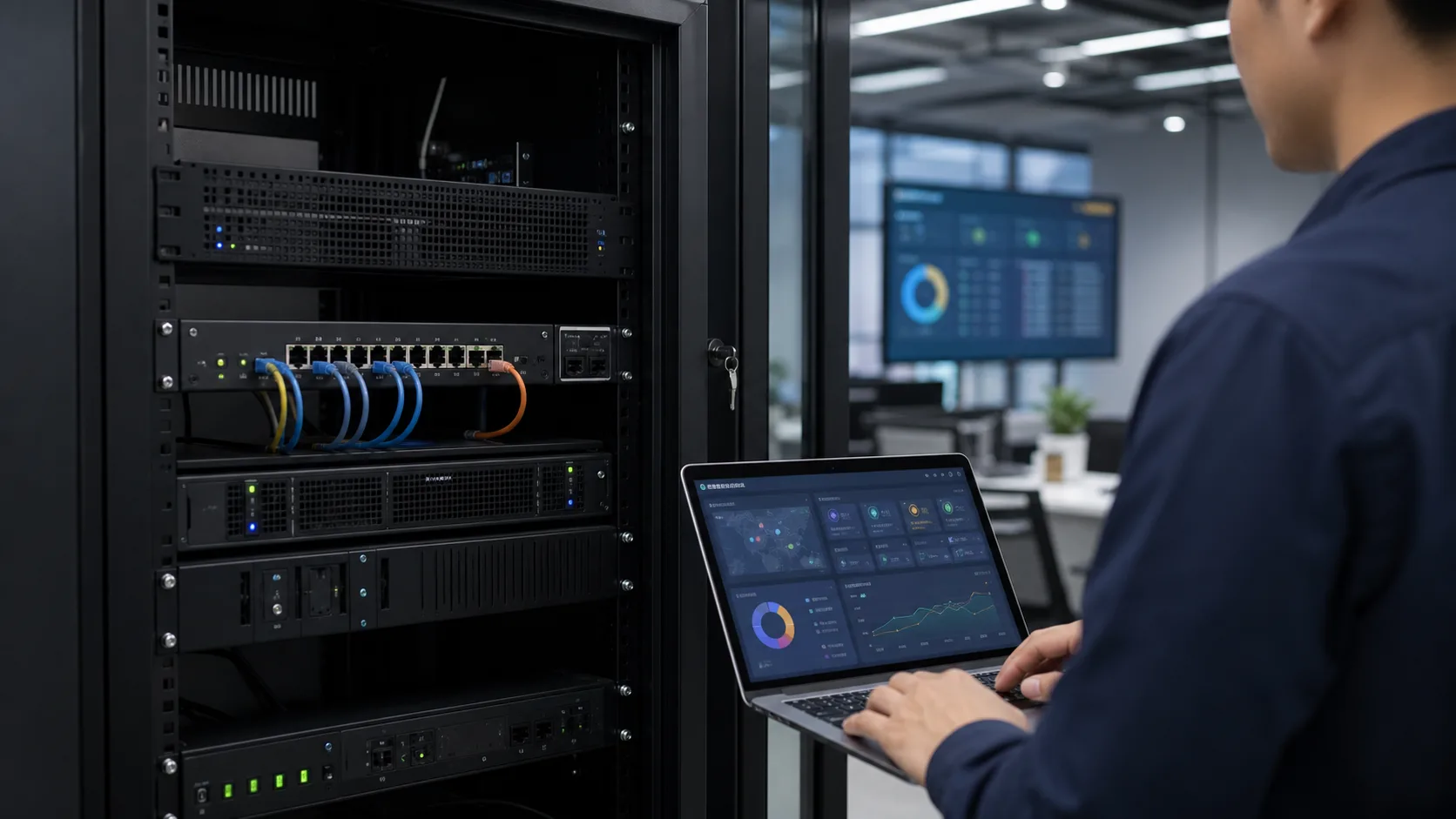
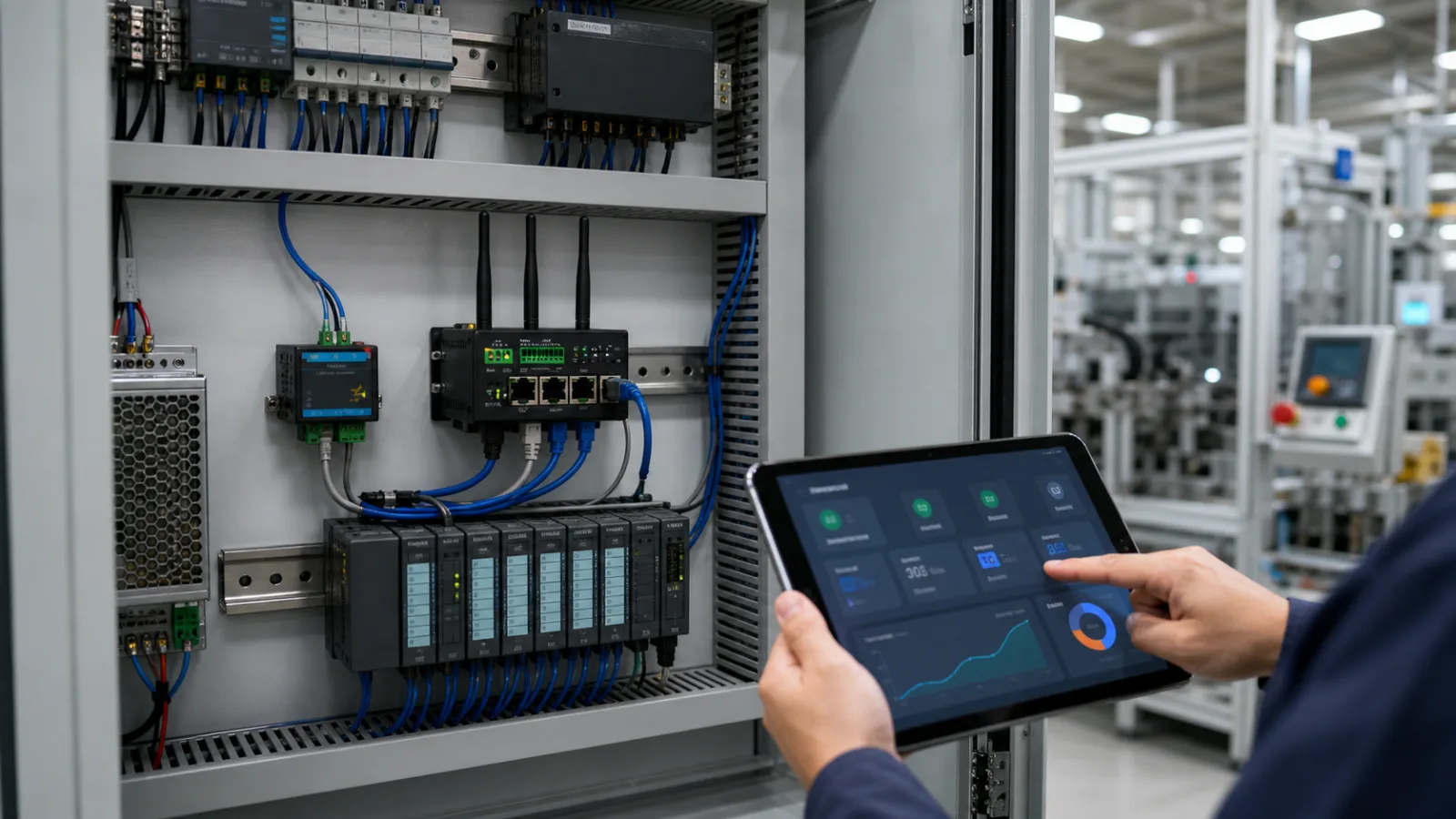
Choose the closest project condition first
The right solution usually starts from device constraints and workflow goals, not from a technology name.
Existing devices need to connect
Add telemetry, remote control, alerting, OTA, and service visibility without replacing every device.
View recommended path → 02A new smart product needs delivery
Move from product idea to firmware, gateway, app, platform, and production-ready operations.
View recommended path → 03Connected equipment is hard to operate
Unify device models, permissions, alarms, work orders, and analytics across brands and protocols.
View recommended path → 04Operations data needs AI automation
Connect recognition, knowledge bases, alerts, and workflow automation to real business systems.
View recommended path →Combine devices, edge gateways, platforms, and AI around real business workflows
Use this section as a routing map. Each card points to the closest solution direction and the pages that help validate it.
Equipment manufacturers, commercial device brands, and legacy hardware companies
Device Connectivity and Smart Product Retrofit
Connect legacy controllers, serial devices, and commercial equipment without forcing a full hardware replacement.
Delivery path Serial converter or control-board upgrade + embedded firmware + edge gateway + ZedIoT platform
Factories, equipment OEMs, industrial service teams, and energy operations
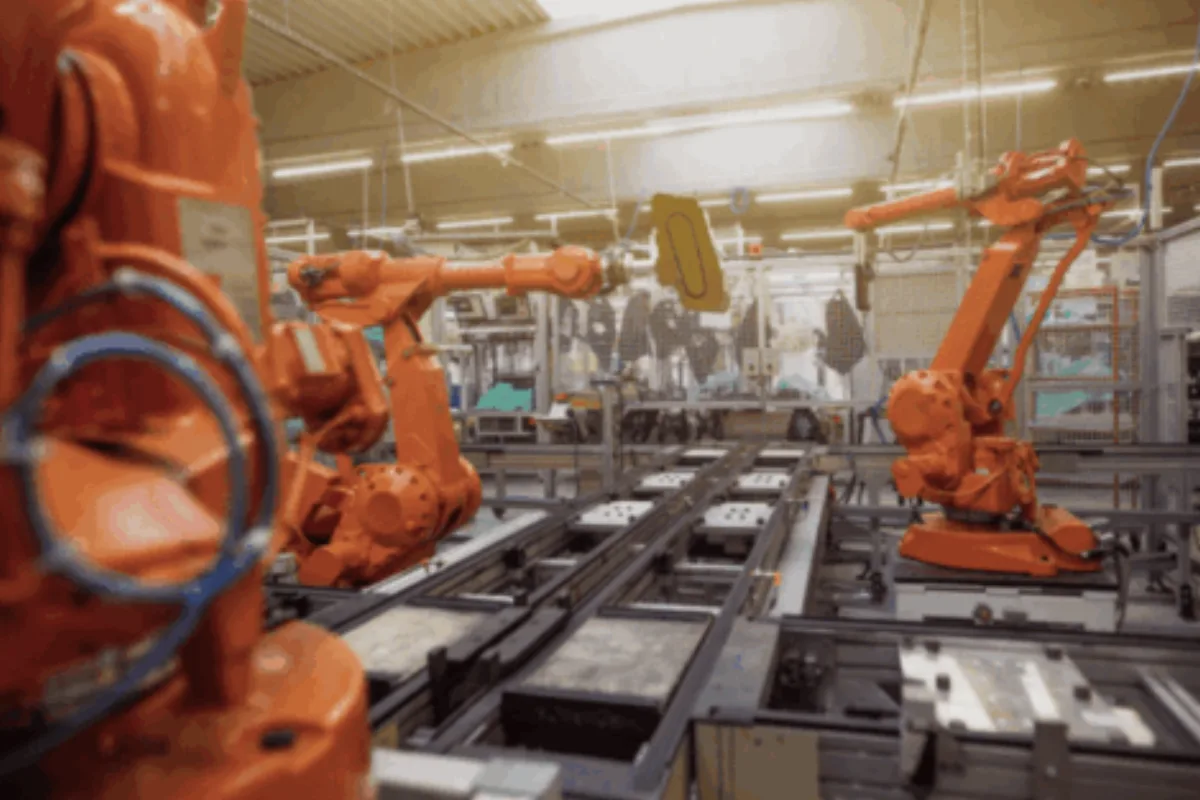
Industrial IoT Monitoring and Equipment Operations
Turn scattered PLC, meter, controller, and inspection data into an observable equipment operations loop.
Delivery path Sensors and PLC access + industrial edge gateway + IoT platform + alarm and maintenance workflows
Warehouse teams, logistics operators, manufacturing inventory teams, and high-value asset managers
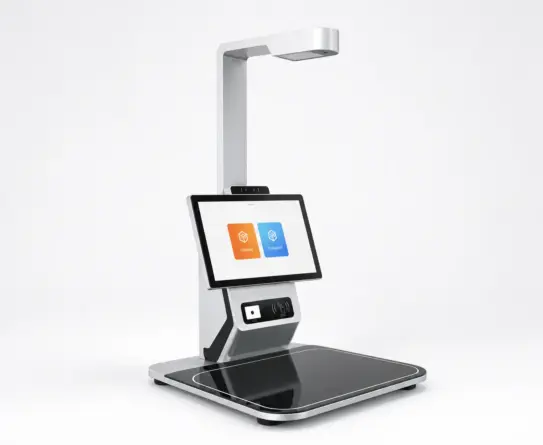
AI Vision Warehouse Recognition and Asset Operations
Use AI vision, barcode, RFID, and workstation workflows to close the loop between physical goods and system records.
Logistics teams, fleet operators, factories, smart buildings, and high-value asset managers
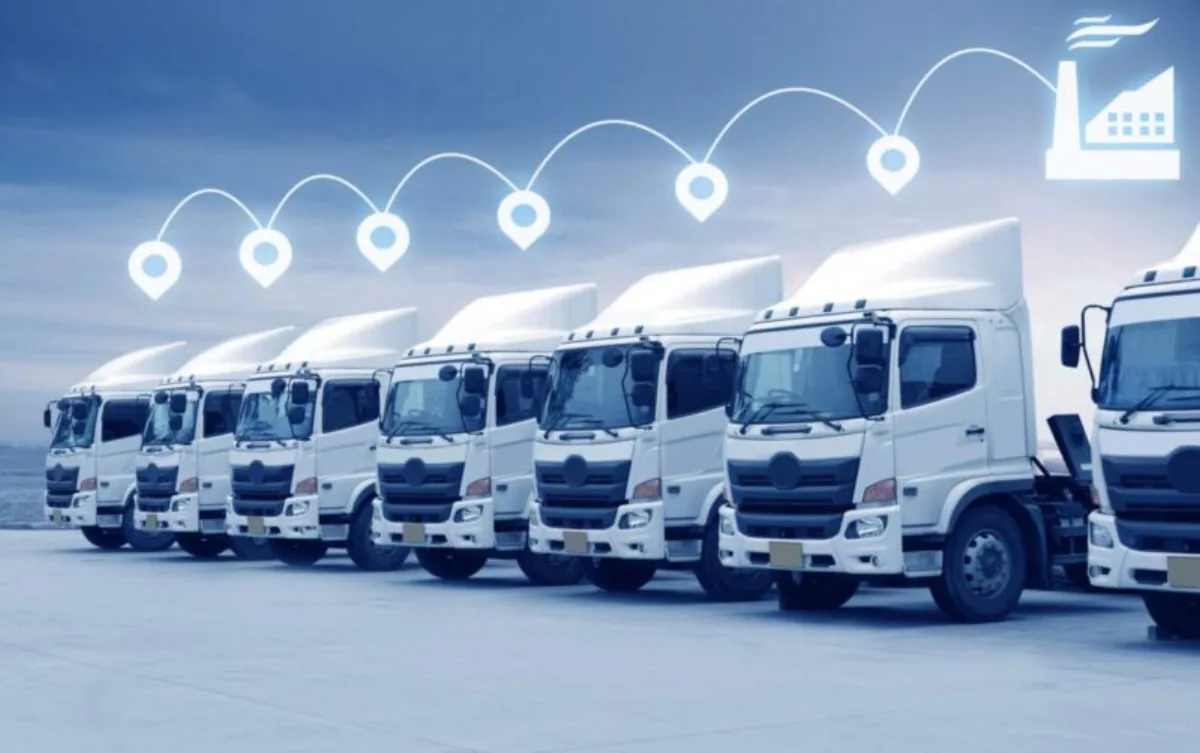
Device Localization and Asset Movement Visibility
Use GPS, UWB, BLE, RFID, and sensor fusion to turn asset movement into maps, alerts, dispatch actions, and trusted records.
Smart hardware teams, service terminal products, industrial device builders, and AI workflow owners
Embedded Voice AI for Devices and Operations
Add ASR, TTS, wake-word, local AI, and voice workflow integration to products that need speech to become a reliable action.
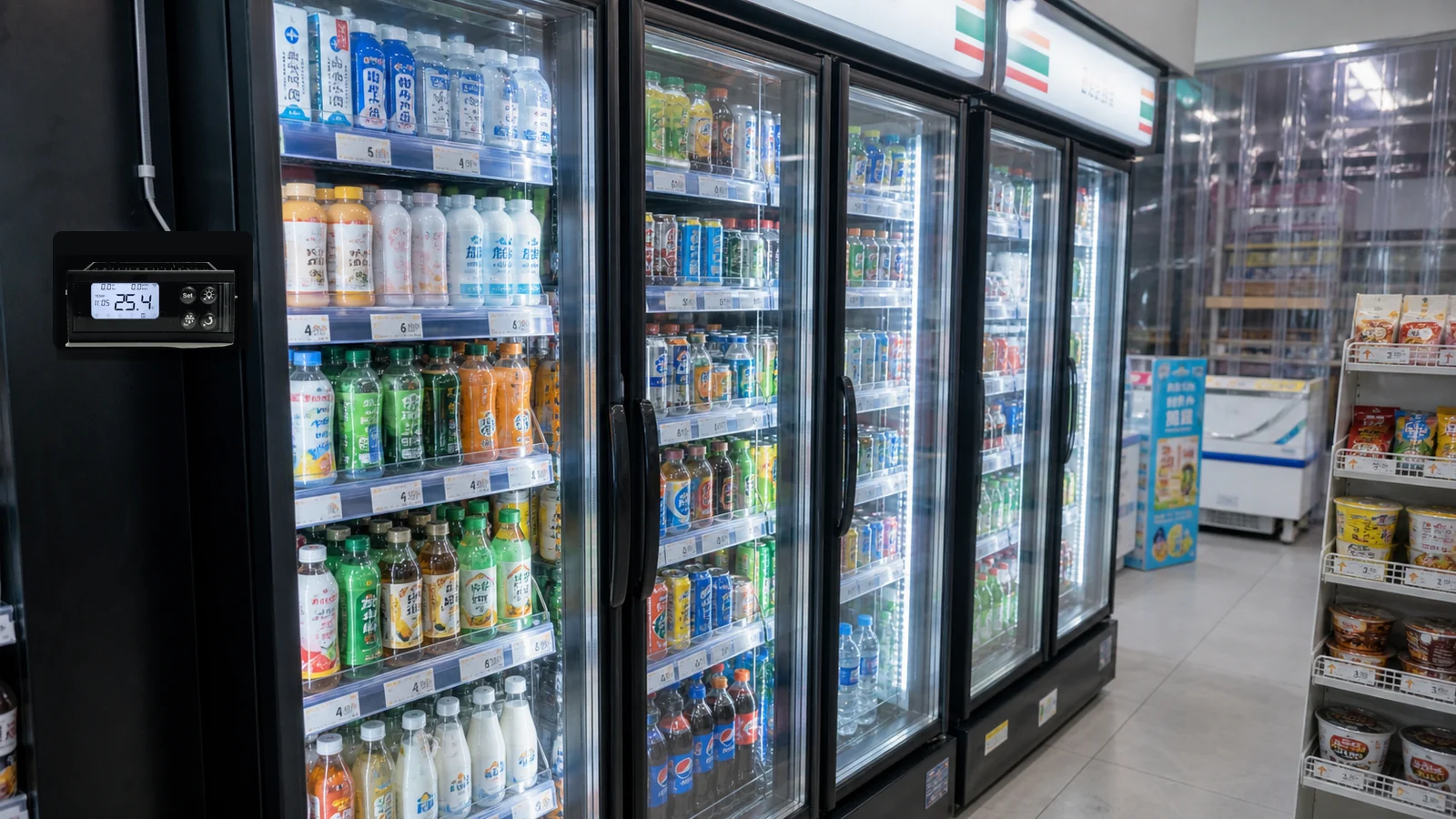
Retail chains, convenience stores, refrigeration OEMs, service providers, and cold-chain operators
Refrigeration Monitoring for Chain Stores and Cold Equipment
Monitor beverage cabinets, fresh food cabinets, low-temperature equipment, and distributed store refrigeration remotely.
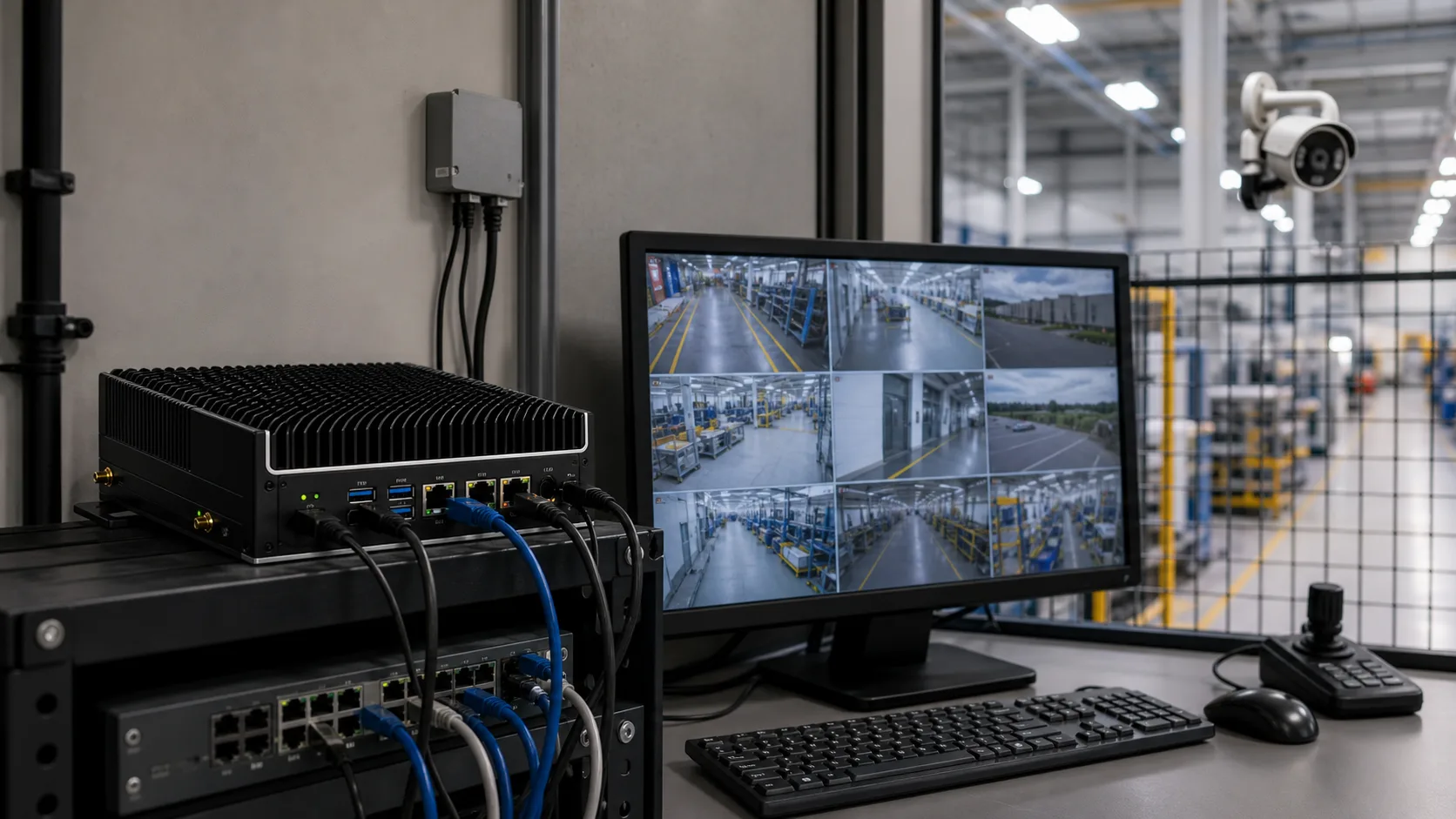
System integrators, industrial sites, field operations, and AI-enabled device projects
Edge Computing and Gateway Integration
Place protocol conversion, buffering, local rules, and AI inference close to field devices where latency matters.
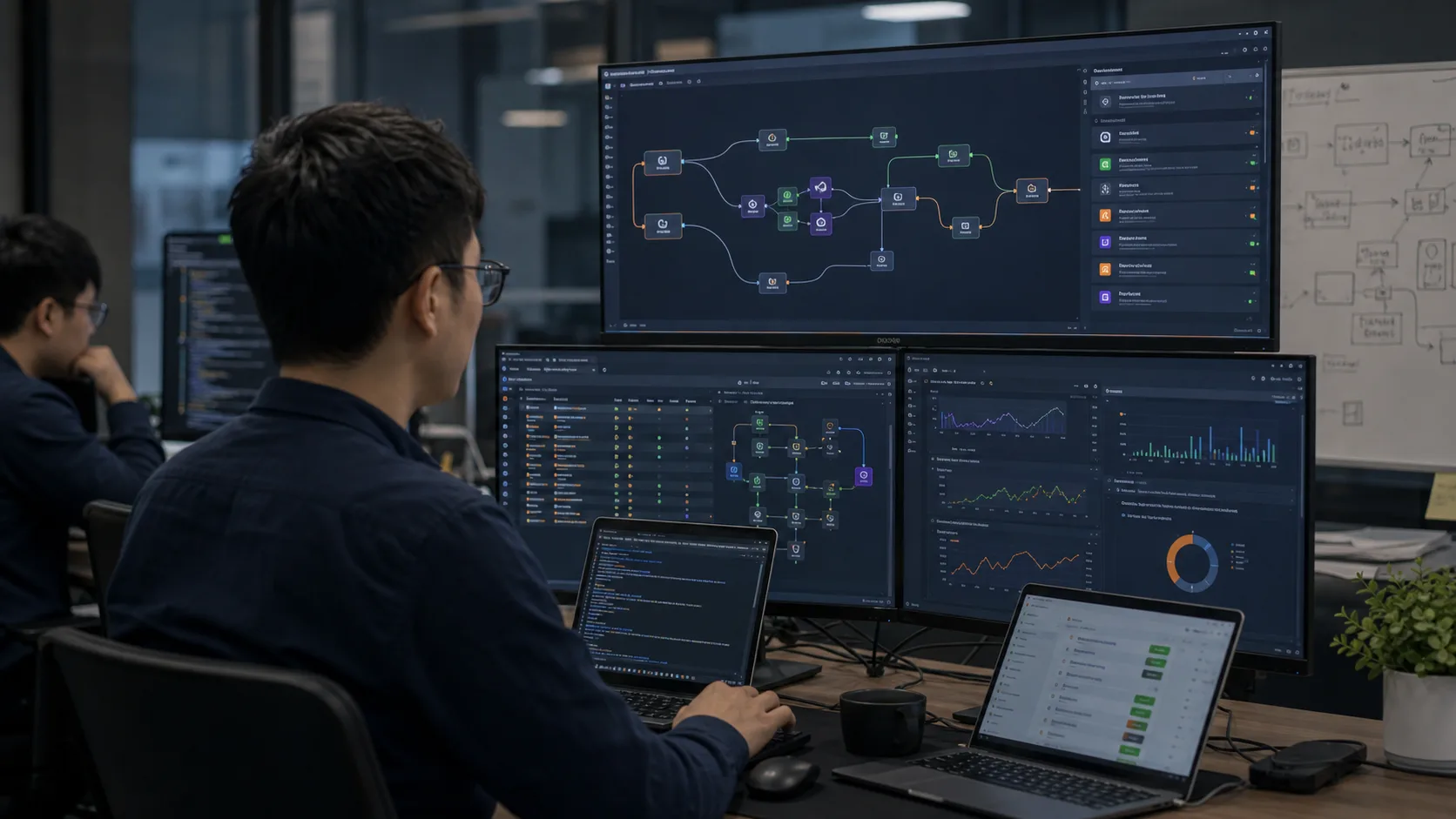
Operations teams that need AI assistants, private knowledge, alerts, and workflow automation
AI Workflow Automation for IoT and Business Systems
Connect device events, documents, tickets, and business APIs into AI-assisted workflows that support real operations.
One delivery architecture from device access to business automation
The architecture is modular: use only the device, edge, platform, AI, or integration layers required by the project.
Devices and sensors
Collect physical state, control points, events, and operating signals.
Interfaces and point tableEmbedded control
Run drivers, local logic, communication, diagnostics, and OTA-capable firmware.
Firmware and source packageEdge gateway
Handle protocol conversion, buffering, local rules, edge AI, and remote logs.
Gateway and protocol modulesZedIoT platform
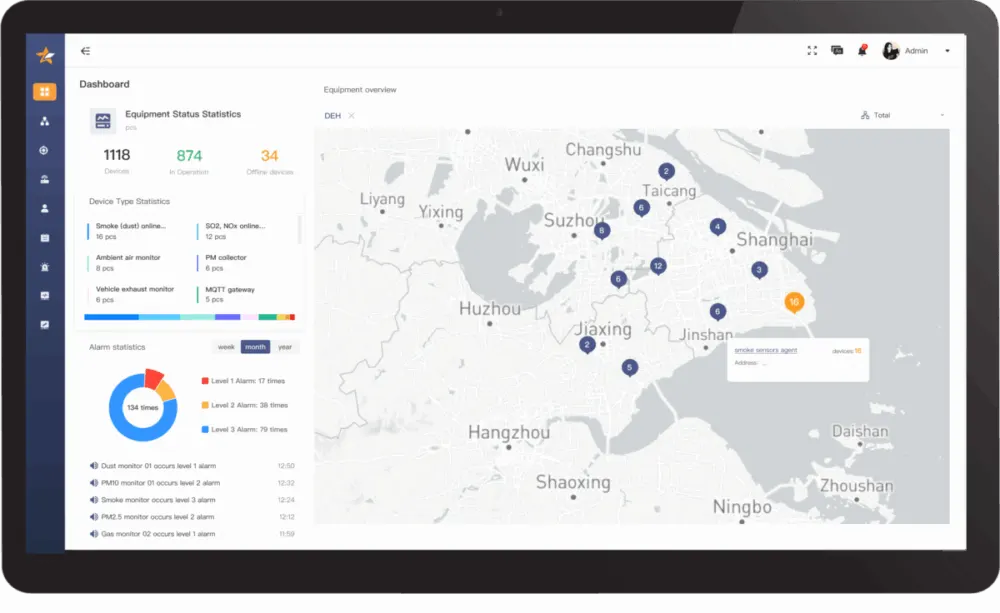
Manage devices, roles, alarms, work orders, dashboards, reports, and APIs.
Platform and operations consoleAI automation
Apply recognition, knowledge search, analysis, and workflow orchestration.
AI models and workflow appsBusiness systems
Connect ERP, WMS, MES, CRM, helpdesk, or customer-owned platforms.
Business integration loopChoose the implementation path from device conditions
Start with the interface, controller, network, and workflow constraints. Then validate the highest-risk path before expanding the system.
View development services →Real products that prove the delivery chain
These products are used as capability proof for device access, edge computing, platform operations, and scenario delivery.
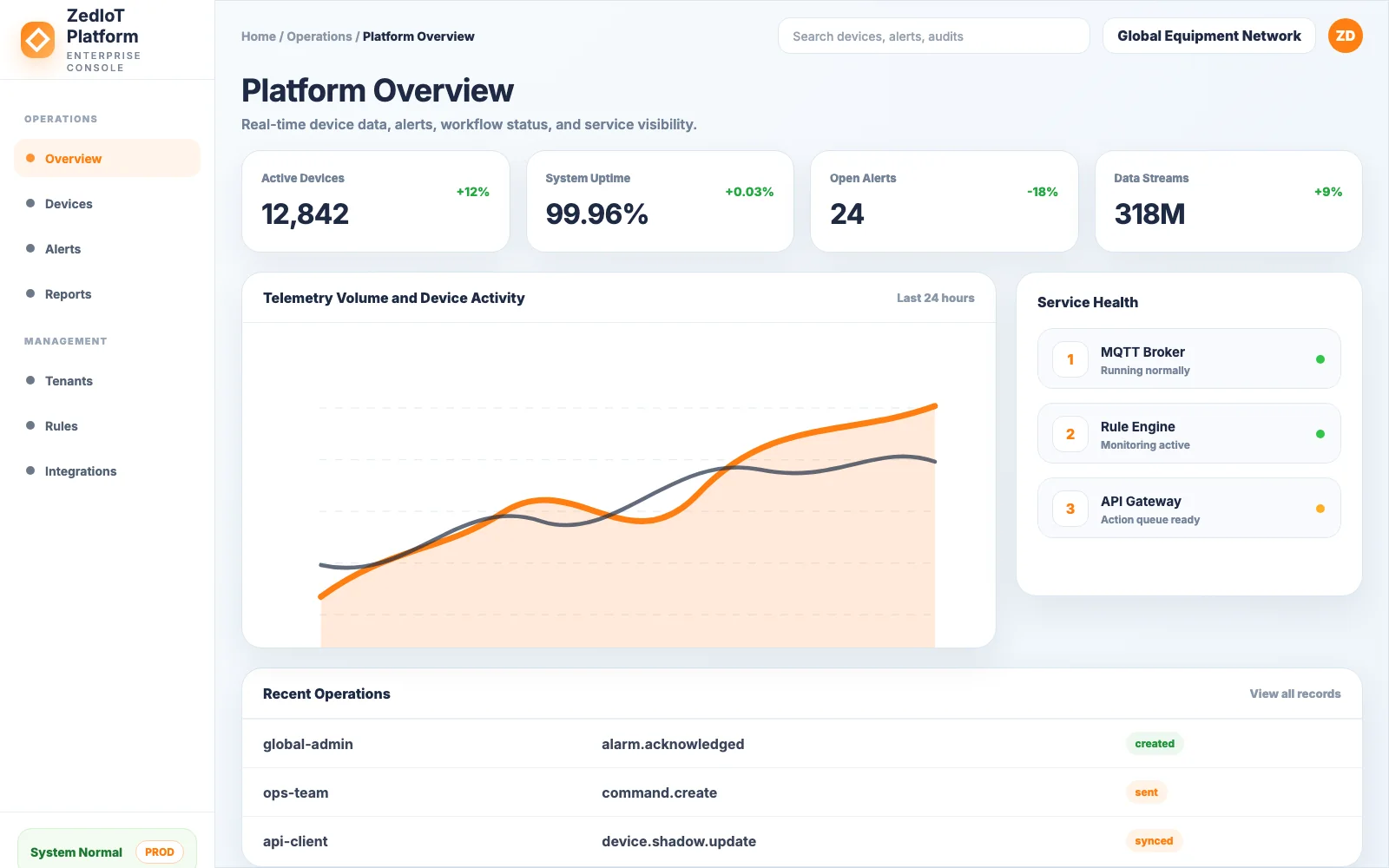
ZedIoT IoT Cloud Platform
Device model, alerts, work orders, permissions, APIs, reports, and private deployment options.
View product capability →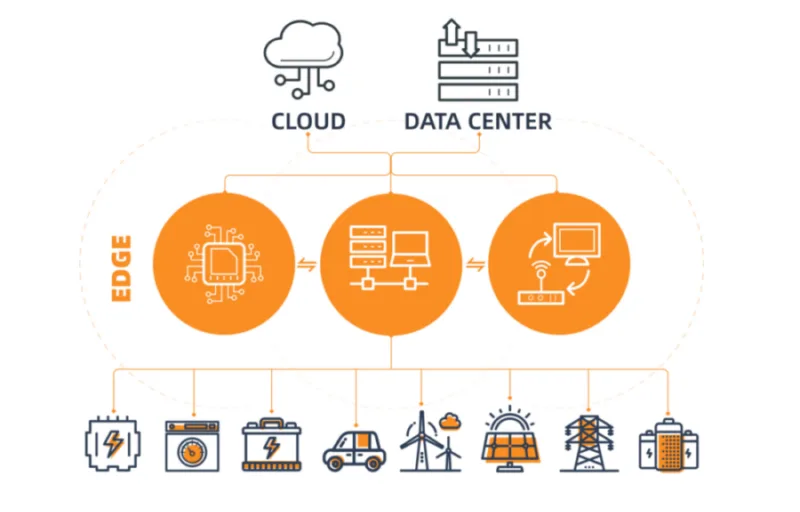
AIHub-Z3 / Z5 Edge Computing
Protocol access, local rules, buffering, remote diagnostics, and edge AI workloads.
View product capability →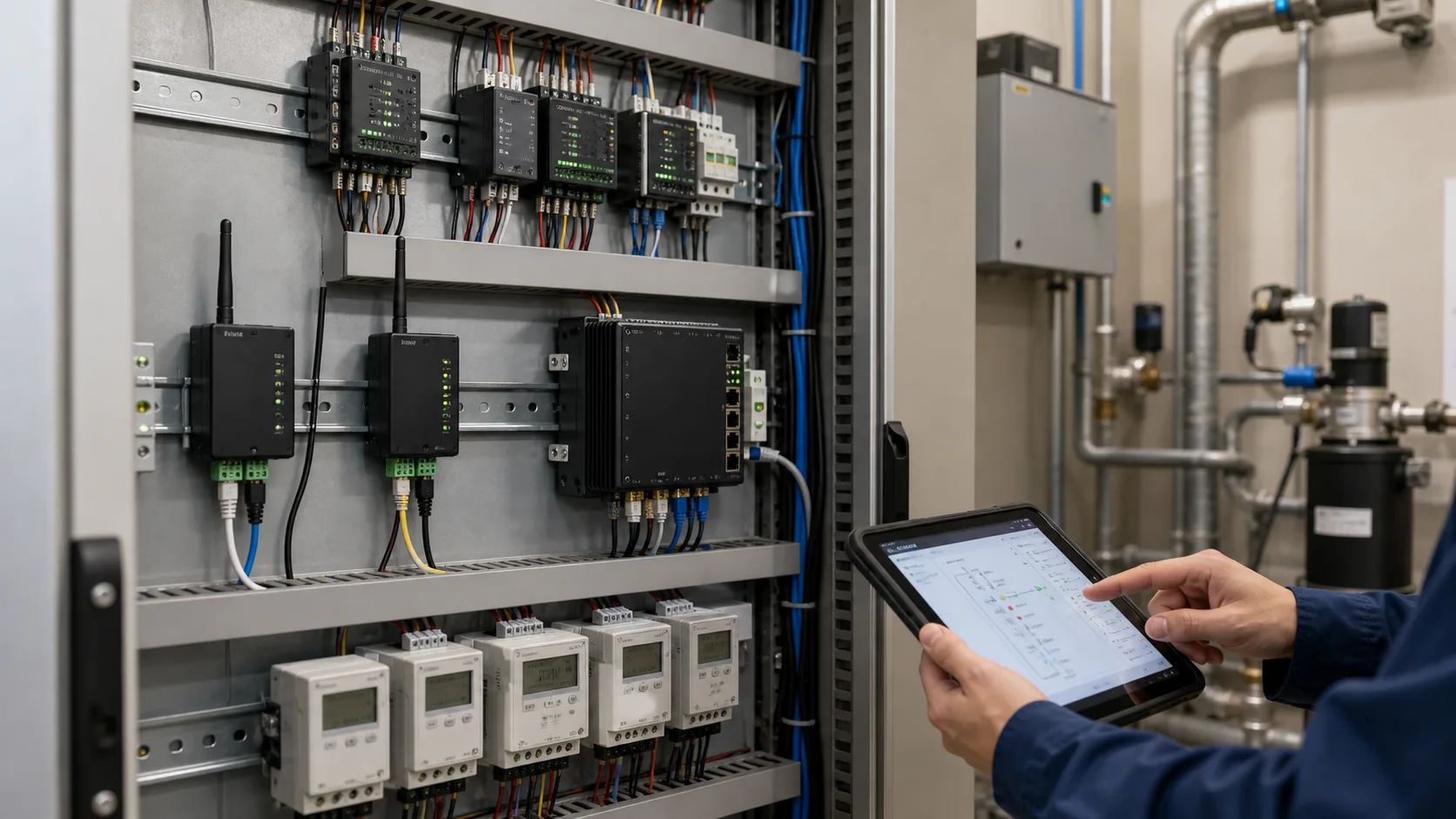
Serial Port Converters
Low-cost connectivity for RS485 and RS232 devices that need wireless or cloud access.
View product capability →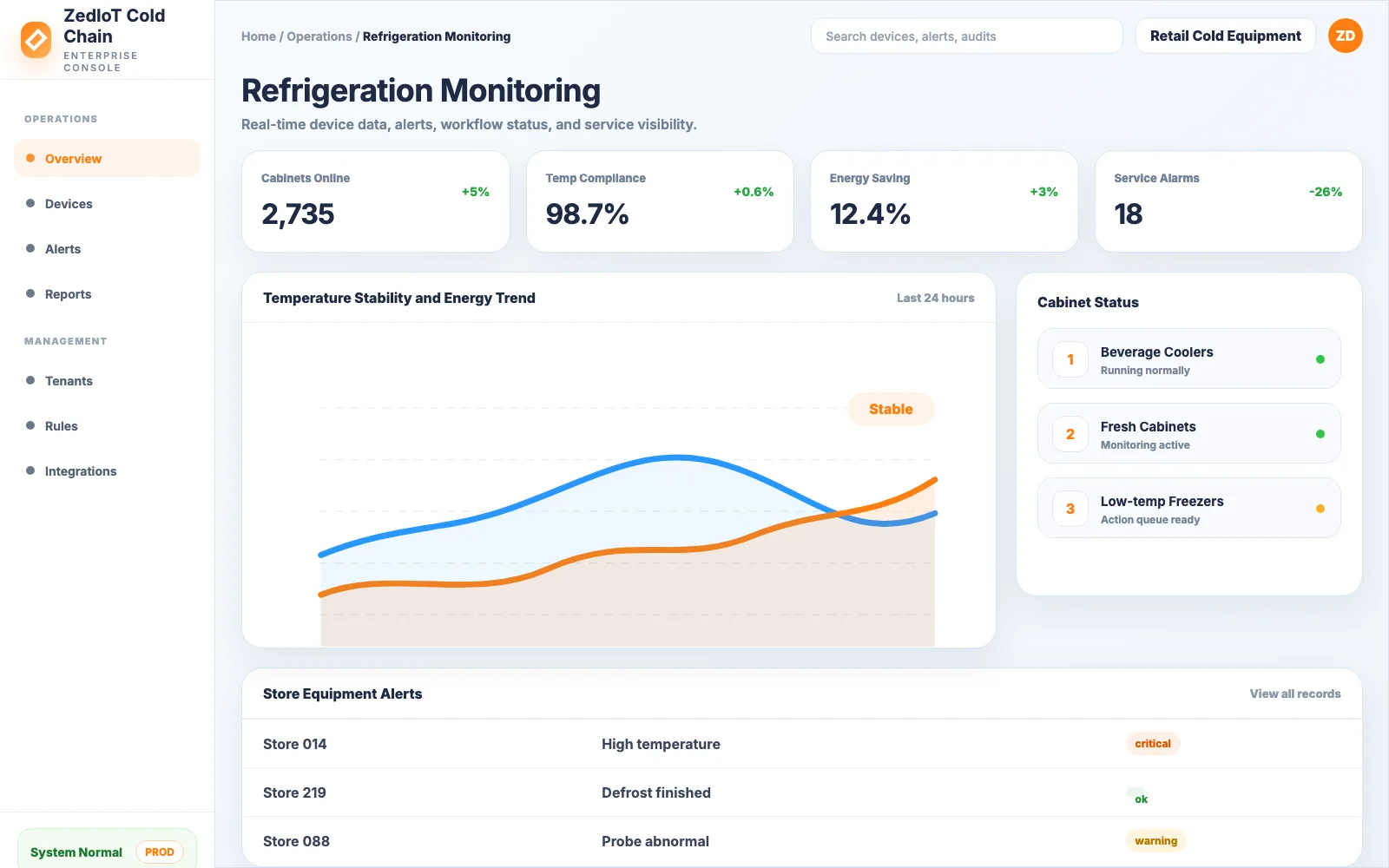
Commercial Refrigeration Controllers
A field-proven path for temperature control, remote alarms, and multi-store operations.
View product capability →
Smart Warehouse Recognition Workstation
AI vision, barcode scanning, face authentication, and warehouse workflow integration.
View product capability →Describe the problem solved, not only the industry name
Start from the business issue, then connect it with the implementation work, product assets, and reusable capability that make the solution practical.
Industrial equipment monitoring
- Business problem
- Different protocols and isolated devices made failures hard to discover before field inspection.
- Implementation
- Unified device points through an edge gateway and connected alarm and service workflows.
- Reusable result
- A maintainable device model, monitoring console, and repeatable operations process.
Warehouse recognition workflow
- Business problem
- Manual counting and registration created slow operations and inconsistent records.
- Implementation
- Combined AI vision, barcode scanning, identity verification, and business-system integration.
- Reusable result
- A traceable recognition terminal and data update loop for warehouse teams.
Chain-store refrigeration operations
- Business problem
- Distributed refrigerators made temperature exceptions and service evidence difficult to manage centrally.
- Implementation
- Connected smart controllers to remote monitoring, alert records, and store grouping.
- Reusable result
- A clearer store equipment workflow with remote visibility and service response context.
Validate one critical path first, then scale the solution
Projects can start from one device, one protocol, one AI workflow, or one business integration before full rollout.
- 01
Scenario and device review
Clarify business goals, device condition, field constraints, and success criteria.
- 02
Protocol and data mapping
Define interfaces, point tables, data flows, permissions, and integration boundaries.
- 03
PoC validation
Validate the highest-risk communication, AI, edge, or system-integration path first.
- 04
System development and integration
Build device, edge, platform, AI, application, and business-system modules in stages.
- 05
Pilot deployment and acceptance
Test real workflows, abnormal states, recovery, security, and operating handoff.
- 06
Scale and operations
Support batch rollout, OTA, monitoring, maintenance, documentation, and continuous iteration.
Start with constraints, not assumptions
Even if documentation is incomplete, a sample device, target workflow, and current system boundary are enough to begin evaluation.
Do we need to replace the existing controller?
Not always. We first evaluate serial ports, bus interfaces, extension options, enclosure constraints, and field installation conditions before recommending a retrofit, gateway, or controller upgrade.
Can devices be integrated without complete protocol documents?
Sometimes. We can evaluate sample devices, existing software, packet captures, and field tests, but complete protocol documentation reduces project risk and validation time.
Can different device brands be managed in one platform?
Yes. We use protocol adapters, unified device models, gateways, and platform rules to normalize different brands, models, and operating workflows.
Can the solution connect to ERP, MES, WMS, CRM, or ticketing systems?
Yes. Integration can use APIs, webhooks, message queues, databases, or middleware, with clear rules for direction, permissions, failure retry, and data ownership.
Can AI run on edge devices or inside a private network?
Yes. The right deployment mode depends on model size, latency, privacy, hardware resources, and the operations team that will maintain it.
Can we start with a smaller PoC?
Yes. We usually recommend starting with representative devices and one critical workflow before committing to full platform development or batch rollout.
Tell us your device scenario and target workflow
Share your device type, interface, field environment, current software stack, and the business process you want to improve. We will help define a practical solution path.
- AI + IoT product architecture review
- Hardware, firmware, cloud, and application integration
- Prototype planning and production support