

IoT Mobile App Development for Connected Products
Design and build mobile applications for device onboarding, control, alerts, sharing, diagnostics, firmware prompts, and customer support.

BLE, Wi-Fi, QR, account binding, provisioning, and first-use workflows.
Device status, safe commands, notifications, sharing, history, and support actions.
QA devices, app store support, analytics, crash reports, and customer feedback loops.
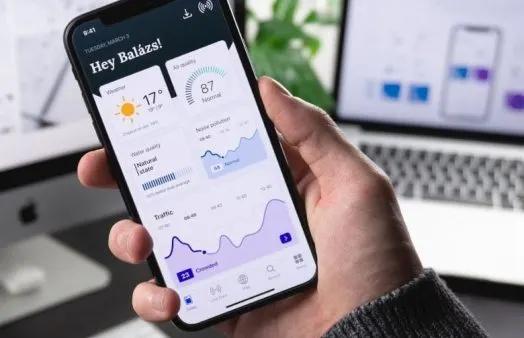
A mobile IoT app must survive real device uncertainty
The app needs to guide users through pairing failures, weak networks, stale data, unsafe commands, notification fatigue, device sharing, and update prompts.
- Pairing and provisioning tested with representative devices
- Controls, alerts, and sharing mapped to product responsibility
- Release, analytics, and support handoff included from the start
Workstreams that move the project toward a usable product
Each workstream connects a real device, workflow, user role, or operating constraint with the software and hardware decisions required for delivery.
IoT mobile app company support
End-to-end iOS, Android, or cross-platform app development for connected products.
Smart inspection apps
Field inspection, image capture, records, tasks, alerts, and maintenance workflows.
Vehicle and equipment apps
Status, location, alarms, control, service records, and customer-facing operations.
HarmonyOS and Android devices
Device-specific app surfaces, tablet workflows, Android terminals, and local integrations.
Notification and support flows
Push alerts, troubleshooting, tickets, device logs, firmware prompts, and user feedback.
Release and analytics
QA devices, crash logs, analytics events, store listing support, and iteration planning.
Mobile app workflow from pairing to long-term support
The mobile layer should make device operation understandable while keeping command safety and support evidence visible.
Onboarding
Pairing, provisioning, account binding, device ownership, and first-use guidance.
Daily operation
Status, settings, commands, scenes, alerts, sharing, and history.
Platform services
Authentication, device APIs, notifications, analytics, logs, and firmware prompts.
Support loop
Troubleshooting, tickets, crash reports, device logs, release notes, and feedback.
Key engineering decisions to make before production
The most valuable work is often the integration boundary, recovery behavior, diagnostics, and ownership model that keeps the system maintainable.
Provisioning reliability
BLE, Wi-Fi, QR, gateway, or cloud pairing flows are tested against real user failure points.
Safe command UX
Commands can include confirmation, timeout, disabled states, permission checks, and audit records.
Notification quality
Alerts are grouped by urgency, user role, device type, and support workflow to avoid noise.
Device sharing
Family, staff, installer, owner, and service roles can be modeled by product responsibility.
Firmware prompts
Version checks, update warnings, rollback messaging, and release notes are planned with firmware.
App release support
Store release, analytics, crash logs, QA devices, and feedback triage support long-term operation.
Mobile app value is measured by easier device operation and fewer support gaps
The app should help customers connect devices, understand current state, act safely, and get support without guessing what the product is doing.
First-use flows are tested with real device states.
Notifications are tied to user responsibility and urgency.
QA, analytics, and release support are part of delivery.
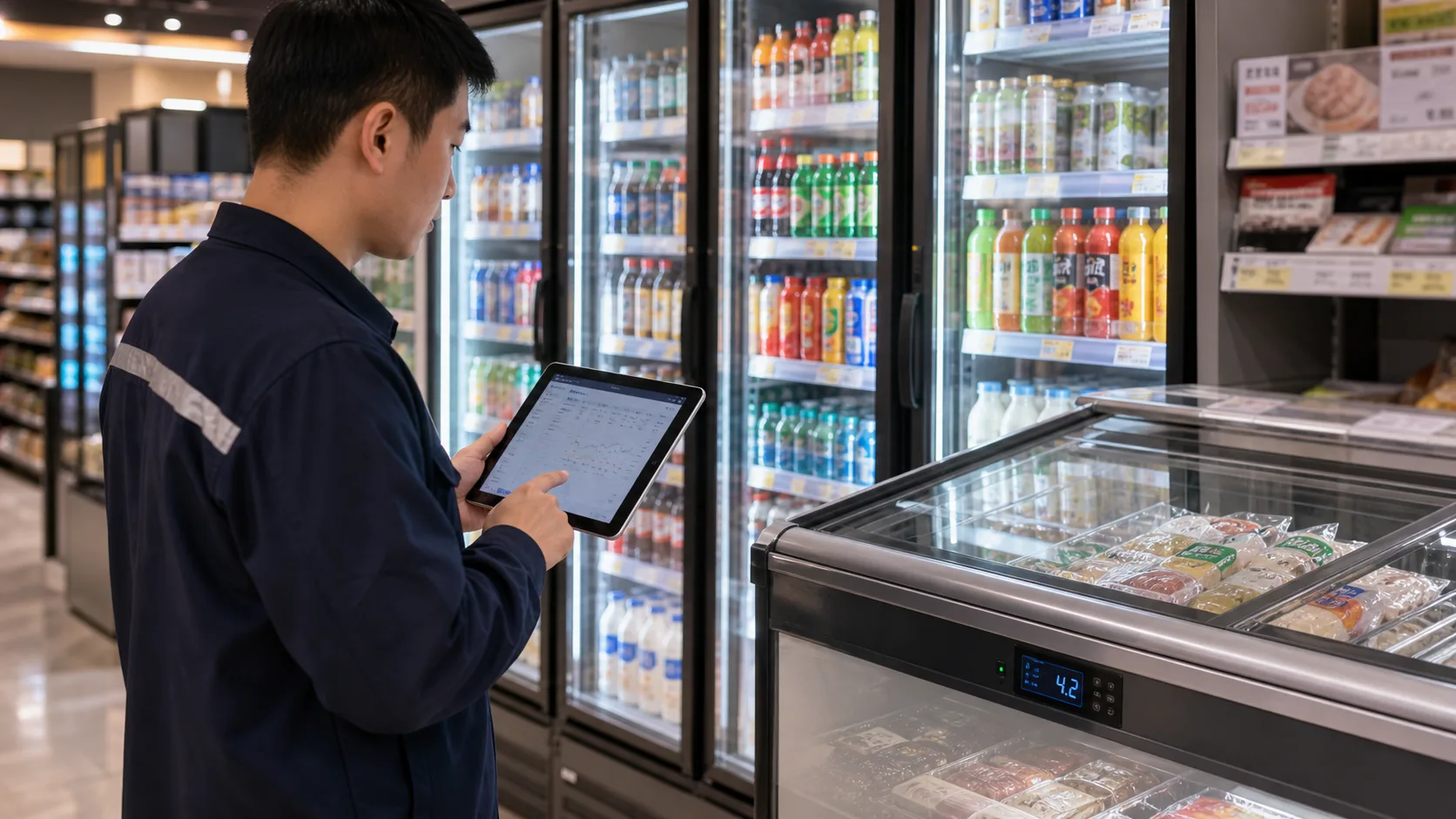
Where this service creates measurable product value
Service pages should show the operating environment, not only describe the technology stack.
Smart inspection app
Inspection tasks, photos, records, device state, and service reports for field operations.
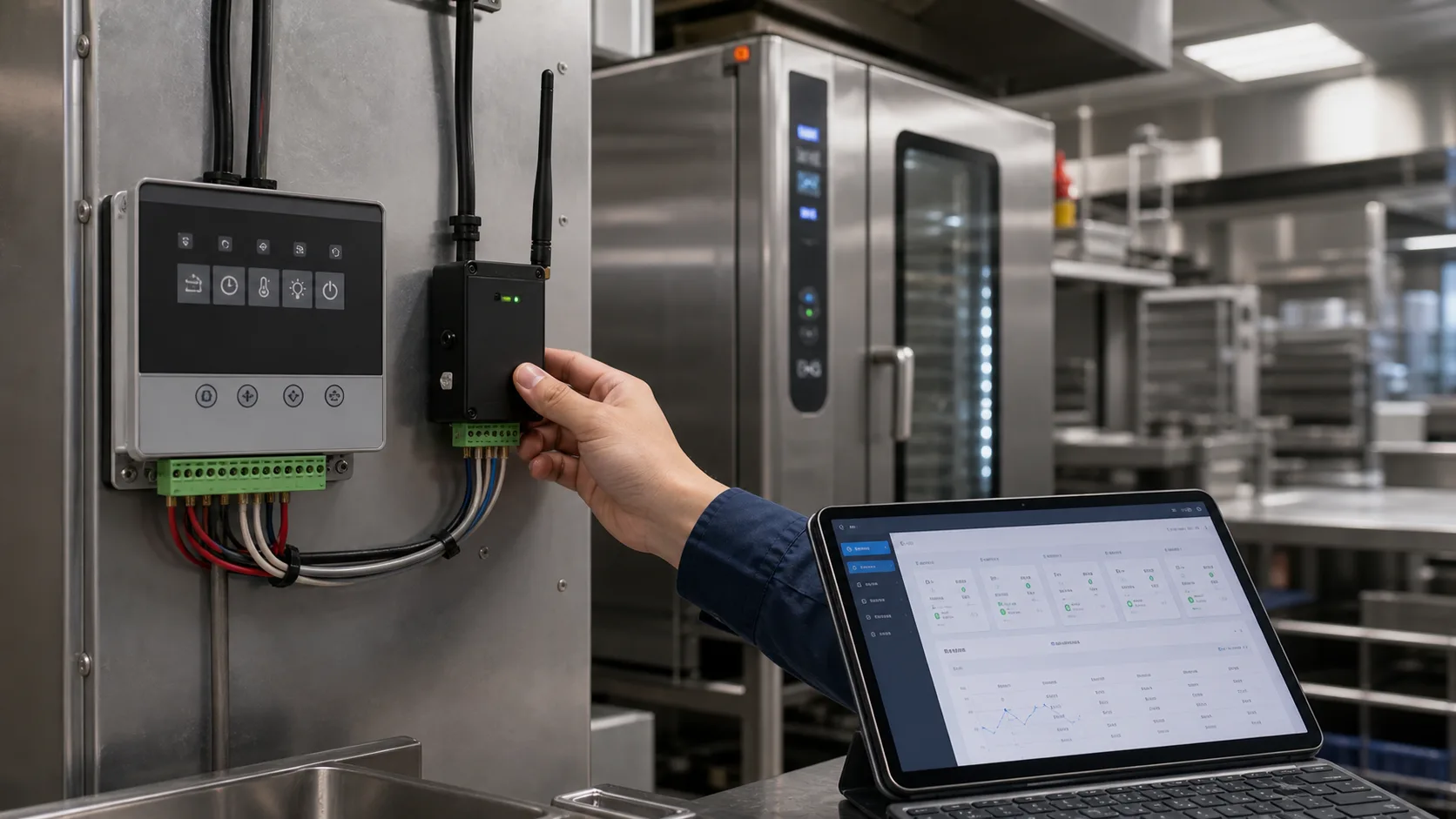
Connected equipment app
Status, control, alarms, history, firmware prompts, and remote service support for product users.
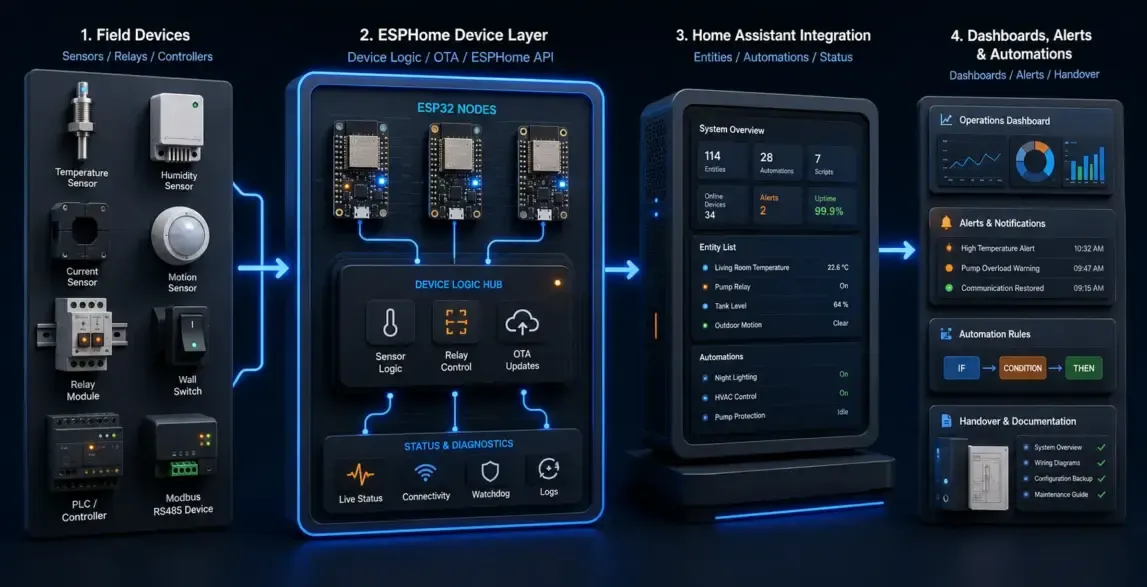
Smart home and facility app
Device pairing, scenes, automation, sharing, alerts, and account-based device management.
What ZedIoT delivers
The output should help your team make a clear build decision, validate the first release, and keep the system maintainable after launch.
Mobile UX package
User flows, screens, states, pairing paths, alerts, sharing, and support interactions.
App and API integration
iOS/Android app, platform APIs, notifications, analytics, logs, and device commands.
Release handoff
QA checklist, store assets, analytics plan, crash logging, known limits, and support notes.
How the work moves from feasibility to handoff
Device and user review
Confirm product behavior, onboarding route, user roles, command risks, and support needs.
Prototype app workflow
Design pairing, status, control, alerts, history, and support screens around device states.
API and device integration
Connect app APIs, notifications, analytics, logs, firmware prompts, and test devices.
QA and release
Run device tests, app tests, crash checks, store preparation, and acceptance review.
Operate and improve
Use analytics, support issues, and field feedback to improve device operation.
Practical advantages for AI + IoT product delivery
IoT-specific app experience
We design around pairing, weak networks, stale status, commands, alerts, and firmware reality.
Platform and device alignment
Mobile work stays connected to firmware, APIs, dashboards, and support workflows.
Release and support discipline
QA, analytics, crash logs, and support handoff reduce post-launch surprises.
Questions to resolve before scope is locked
Can you build both iOS and Android apps for IoT devices?
Yes. Scope can include iOS, Android, cross-platform app development, API integration, device onboarding, notifications, and release support.
Can the mobile app connect with existing firmware or cloud APIs?
Yes. We first review device states, command behavior, authentication, API availability, and support requirements before designing the app workflow.
What makes an IoT mobile app different from a normal app?
It must handle real device uncertainty: pairing failures, weak networks, stale status, unsafe commands, firmware updates, alerts, shared devices, and field support.
Discuss IoT Mobile App Development
Share the device, workflow, system integration, deployment requirement, or business outcome you want to validate. We will help turn it into a practical AI + IoT implementation path.
- AI + IoT product architecture review
- Hardware, firmware, cloud, and application integration
- Prototype planning and production support