
Embedded Software Development for Connected Products
Build firmware, drivers, Linux services, local control, diagnostics, OTA, and communication behavior around how the device actually works in the field.
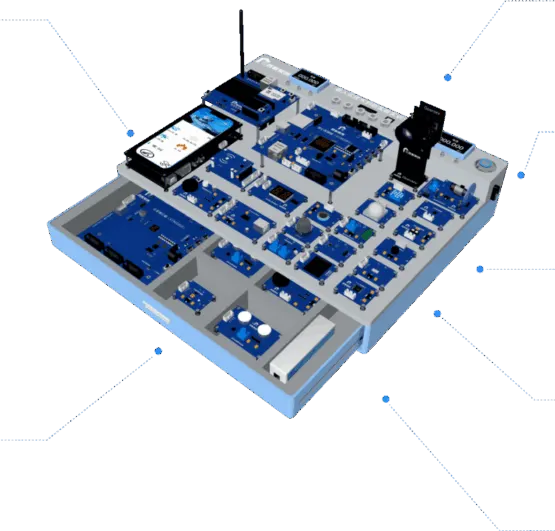
MCU, ESP32, Linux, drivers, middleware, protocol stack, and release strategy.
BLE, Wi-Fi, serial, MQTT, gateway onboarding, and reconnect recovery.
Diagnostics, logs, OTA, watchdogs, factory tests, and handoff materials.
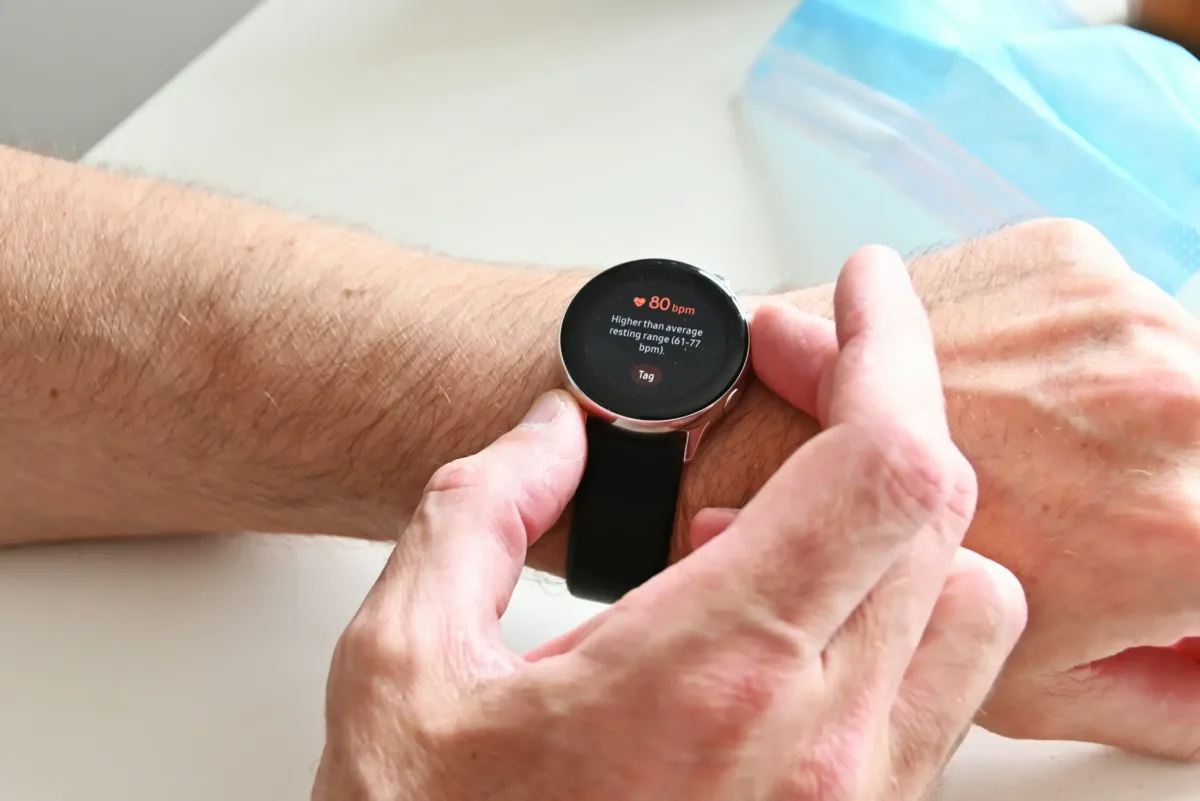
Treat firmware as a product layer, not a hidden technical task
Embedded work defines the behavior users feel later: startup, pairing, control safety, network recovery, sensor accuracy, fault logging, and firmware update trust.
- Hardware interface and firmware contract reviewed together
- Failure states and recovery behavior designed early
- Test tools and logs included for pilot validation
Workstreams that move the project toward a usable product
Each workstream connects a real device, workflow, user role, or operating constraint with the software and hardware decisions required for delivery.
MCU and RTOS firmware
Task scheduling, drivers, local control, storage, watchdogs, and update strategy.
Embedded Linux applications
System services, protocol clients, startup scripts, logs, OTA, and gateway applications.
Connectivity and protocol stacks
BLE, Wi-Fi, MQTT, HTTP, serial, Modbus, gateway onboarding, and reconnect behavior.
Device diagnostics
Logs, error states, health data, local commands, test tools, and support handoff.
Hardware interface support
Sensors, relays, IO, displays, wireless modules, power states, and board bring-up.
Platform integration
Telemetry, commands, payload schema, firmware version, OTA, and device-management links.
Embedded delivery layers that survive field deployment
The implementation path connects hardware constraints, communication behavior, platform requirements, and maintenance workflows.
Hardware interface
GPIO, serial, sensors, radio modules, power, peripherals, and board constraints.
Runtime and drivers
RTOS/Linux services, drivers, local control, watchdogs, and diagnostics.
Connectivity stack
MQTT, BLE, Wi-Fi, serial, cloud onboarding, and OTA update behavior.
Validation tools
Test firmware, logs, fixtures, acceptance scripts, and handoff documentation.
Key engineering decisions to make before production
The most valuable work is often the integration boundary, recovery behavior, diagnostics, and ownership model that keeps the system maintainable.
State-machine behavior
Normal, fault, update, factory, and service states are made explicit so the device is testable.
Weak-network recovery
Reconnect, offline cache, retry, timestamp, and data loss handling are tested before field deployment.
OTA and rollback
Version reporting, image validation, staged rollout, and recovery behavior reduce support risk.
Factory test support
Provisioning, calibration, flashing, serial numbers, and QA records are planned with firmware.
Payload contract
Firmware fields, platform commands, gateway mapping, and API behavior stay aligned.
Maintainable handoff
Build notes, logs, release notes, and known limits support future iteration.
Good embedded delivery reduces later platform and support cost
The firmware must expose trustworthy device states and logs, otherwise every cloud feature becomes harder to operate.
Field updates are part of the design, not an afterthought.
Support teams need device-side facts to resolve field issues.
Prototype behavior is checked against real device scenarios.
Where this service creates measurable product value
Service pages should show the operating environment, not only describe the technology stack.

Gateway and controller products
Linux gateway services, protocol adapters, device control, local rules, and OTA for field equipment.
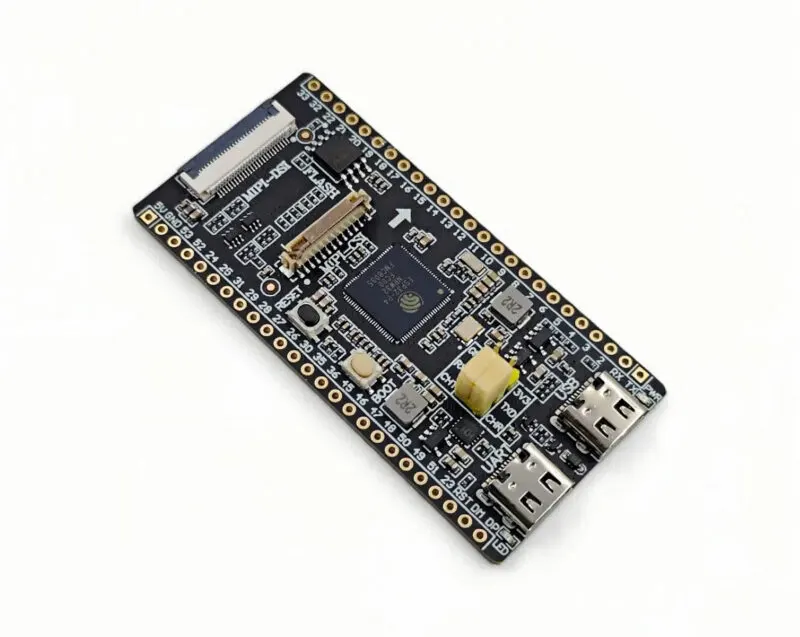
ESP32 and smart devices
Wireless provisioning, sensors, relays, low-power behavior, Home Assistant or platform integration.
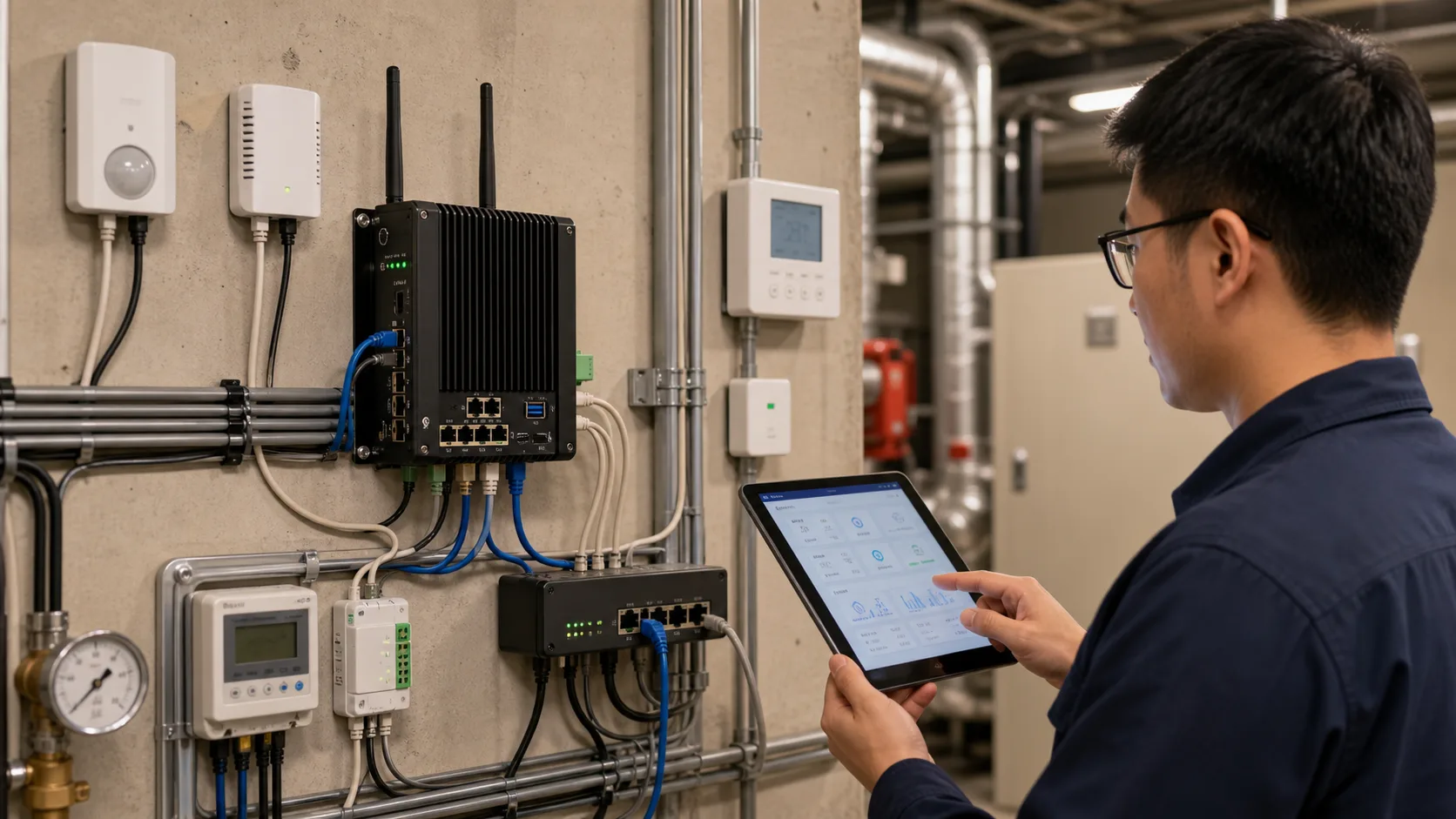
Industrial and building equipment
Serial devices, controllers, meters, HVAC, energy devices, and local diagnostics for field operations.
What ZedIoT delivers
The output should help your team make a clear build decision, validate the first release, and keep the system maintainable after launch.
Firmware package
Application code, drivers, protocol stack, configuration, and build notes.
Integration notes
Cloud topics, payloads, local commands, and platform data mapping.
Validation package
Test plan, logs, known limits, and pilot acceptance criteria.
How the work moves from feasibility to handoff
Hardware and interface review
Review boards, modules, peripherals, protocol documents, control goals, and field conditions.
Firmware architecture
Define tasks, state machine, drivers, payloads, logs, OTA, and validation scope.
Bring-up and integration
Implement drivers, control logic, protocol stacks, cloud or gateway links, and test commands.
Pilot validation
Test power cycles, weak networks, abnormal sensors, OTA failures, and field workflows.
Handoff and iteration
Deliver source, build notes, release notes, logs, known limits, and next feature roadmap.
Practical advantages for AI + IoT product delivery
Firmware plus platform awareness
Embedded work is planned with gateway, app, platform, and support needs in mind.
Field reliability focus
Diagnostics, recovery, update behavior, and maintainability are treated as product features.
Real hardware validation
We validate with representative boards, devices, gateways, and field workflows where possible.
Questions to resolve before scope is locked
What is the first step for a Embedded Development for Enterprise project?
Start with a short feasibility review: target device or workflow, existing assets, business goal, integration systems, data availability, and the smallest useful pilot.
Can ZedIoT work with existing devices or platforms?
Yes. Many projects reuse existing controllers, gateways, SaaS systems, databases, or field workflows. We define the integration boundary before rebuilding anything.
Can the project be delivered in phases?
Yes. A typical path is feasibility, prototype, staged development, pilot validation, production hardening, and handoff.
Does the page support private deployment or source-code delivery?
For custom engineering projects, private deployment, source-code delivery, documentation, and handoff materials can be included in the commercial and technical scope.
Discuss Embedded Development for Enterprise
Share the device, workflow, system integration, deployment requirement, or business outcome you want to validate. We will help turn it into a practical AI + IoT implementation path.
- AI + IoT product architecture review
- Hardware, firmware, cloud, and application integration
- Prototype planning and production support