
Cloud Microservices Development for Scalable IoT Platforms
Design cloud services that can handle device telemetry, APIs, events, permissions, alerts, observability, and business integrations as the device fleet grows.

Split device, user, telemetry, alarm, report, file, and integration services around ownership and scale.
Ingest device events through MQTT, HTTP, queues, jobs, rules, and API consumers with predictable contracts.
Design authentication, tenant boundaries, audit logs, monitoring, backups, CI/CD, and deployment handoff.
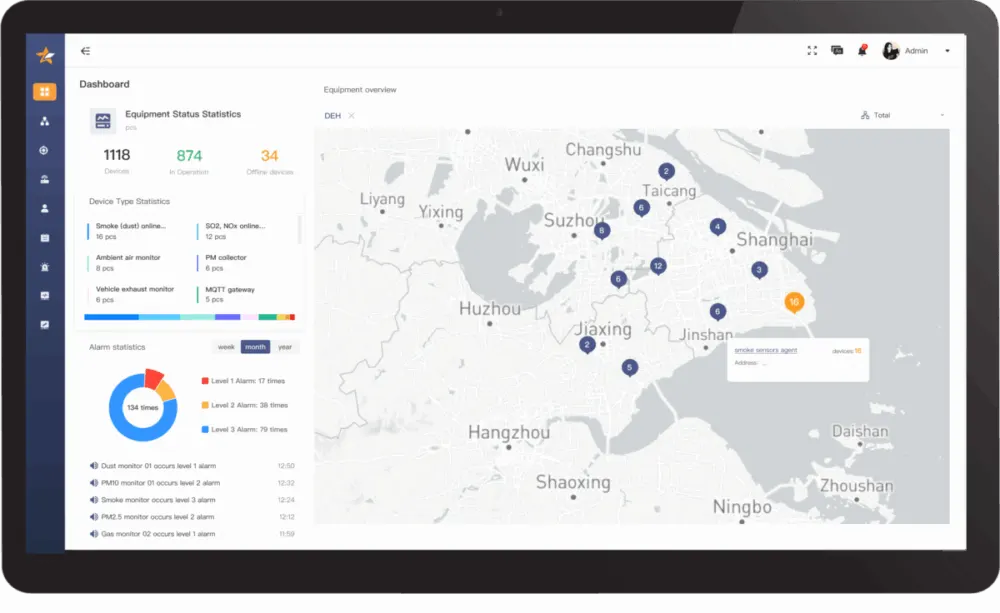
Backend work should start from device behavior and operating rules
A scalable IoT backend is not only a cloud API. It must understand device models, online states, telemetry quality, alarm ownership, reporting needs, and the integrations that use the data.
- Model device lifecycle, tenants, and permissions before expanding screens
- Separate ingestion, rules, reporting, and business APIs for maintainability
- Keep logs, metrics, queues, and deployment responsibility visible from the first release
Workstreams that move the project toward a usable product
Each workstream connects a real device, workflow, user role, or operating constraint with the software and hardware decisions required for delivery.
Cloud architecture and API gateway
Service boundaries, REST APIs, authentication, rate limits, routing, versioning, and partner or customer API access.
Telemetry and event services
MQTT/HTTP ingestion, event normalization, queues, time-series storage, alert triggers, and device state calculation.
Device and tenant services
Product models, groups, roles, permissions, lifecycle state, firmware versions, and customer-owned account boundaries.
Background jobs and reports
Scheduled jobs, exports, email/report workflows, analytics aggregation, data retention, and audit trails.
Observability and DevOps
Metrics, logs, traces, health checks, deployment pipelines, rollback strategy, backups, and support dashboards.
Business-system integration
ERP, WMS, CRM, ticketing, webhooks, data warehouse, and customer platform synchronization.
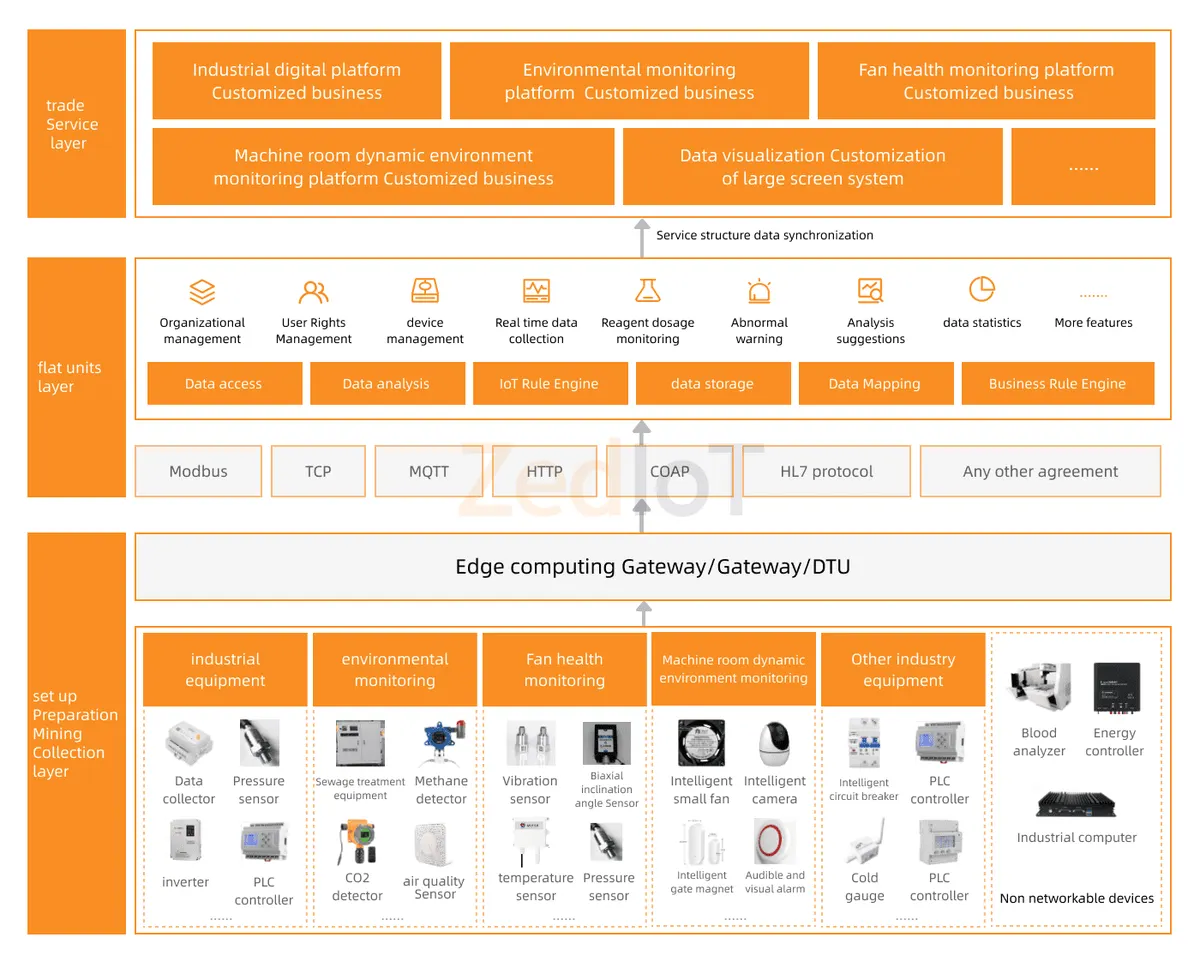
Cloud services organized around device operations and business actions
The service map keeps high-volume device data away from user-facing workflow logic while still giving operators a reliable command and reporting loop.
Access services
MQTT broker, REST API, gateway connector, device auth, payload validation, and protocol adapters.
Core platform services
Device registry, tenant model, users, permissions, commands, alerts, files, reports, and audit records.
Data and rules layer
Streaming events, queues, time-series data, rule engine, background workers, and notification routing.
Operations and integration
Monitoring, logs, CI/CD, backups, webhooks, dashboards, and business-system connectors.
Key engineering decisions to make before production
The most valuable work is often the integration boundary, recovery behavior, diagnostics, and ownership model that keeps the system maintainable.
Multi-tenant security
Tenant isolation, roles, API scopes, audit logs, and customer-owned deployment boundaries are designed before scaling.
Queue and event reliability
Retry, idempotency, dead-letter handling, timestamp rules, and offline-device behavior prevent silent data loss.
Data model discipline
Telemetry, alarm, report, and command schemas are versioned so firmware, gateway, platform, and apps remain aligned.
Deployment readiness
Health checks, release pipeline, rollback, backup, environment separation, and monitoring are part of the delivery scope.
Integration contracts
APIs and webhooks are documented around business events, not only database tables or backend implementation details.
Cost and performance control
Storage tiering, rate limits, aggregation, batch processing, and observability keep large device fleets manageable.
A cloud backend becomes valuable when device data turns into a reliable workflow
The backend should let product, operations, and support teams trust the data path: what the device sent, what the platform calculated, who was notified, and which system consumed the result.
Device, app, customer, and partner APIs are shaped around stable business events.
Telemetry, alarms, jobs, and integrations remain observable across services.
Monitoring, backup, release, and support paths are included before rollout.
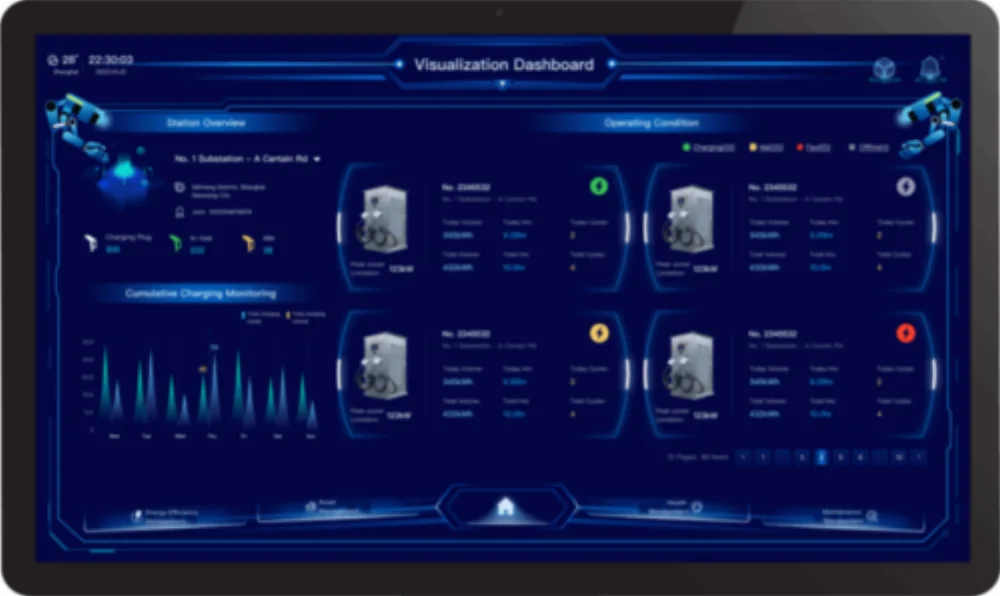
Where this service creates measurable product value
Service pages should show the operating environment, not only describe the technology stack.
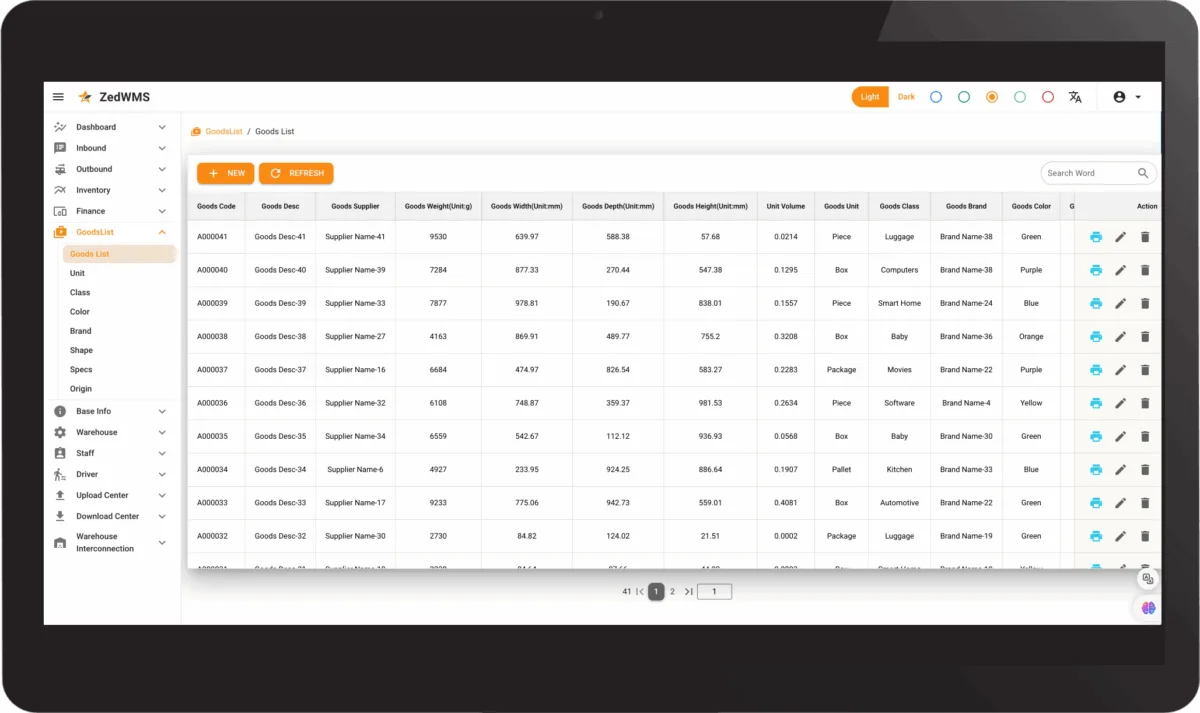
Smart equipment SaaS
Device status, remote configuration, alarm routing, reports, and customer portals for connected equipment vendors.

Industrial monitoring platforms
Gateway data, serial devices, PLC events, weak-network buffering, and alert workflows for field operations.
Private deployment and integrations
Customer-owned cloud, business-system APIs, data retention, logs, and support workflows for enterprise requirements.
What ZedIoT delivers
The output should help your team make a clear build decision, validate the first release, and keep the system maintainable after launch.
Architecture and service map
Service boundary, data model, deployment model, API gateway, queue, storage, and integration architecture.
Runnable backend services
Core services, APIs, event consumers, jobs, alert workflows, dashboards, and integration endpoints.
Operations handoff
CI/CD, environment notes, monitoring, logging, backups, acceptance criteria, and iteration roadmap.
How the work moves from feasibility to handoff
Architecture discovery
Review devices, data volume, tenants, integrations, current backend assets, security requirements, and rollout goals.
Service boundary and data model
Define APIs, events, schemas, permissions, ownership, and storage strategy before implementation expands.
Build and integrate
Develop services, queues, jobs, dashboards, webhooks, and device or gateway connectors in staged releases.
Validate with real workflows
Test online/offline behavior, alerts, reports, user roles, integration failures, and operational monitoring.
Deploy and hand off
Prepare deployment scripts, monitoring, rollback, backup, documentation, and next-release priorities.
Practical advantages for AI + IoT product delivery
IoT-first backend thinking
We design around device state, telemetry quality, alarms, and field operations, not only generic CRUD services.
Cloud plus edge context
Gateway behavior, MQTT contracts, and platform services are planned together so field data stays meaningful.
Operational handoff
Logs, monitoring, deployment, and support workflows are treated as part of the product, not afterthoughts.
Questions to resolve before scope is locked
When should an IoT platform use microservices instead of a monolithic backend?
Microservices are useful when device ingestion, user workflows, reports, rules, integrations, and operations need different scaling, ownership, deployment, or reliability boundaries. Smaller products can still start with a modular monolith and evolve later.
Can the backend be deployed in a customer's private cloud?
Yes. Architecture can support private cloud or customer-owned deployment when the project requires data ownership, security controls, custom integrations, or operational independence.
How do you handle high-volume device data?
We separate ingestion, validation, queues, time-series storage, aggregation, rules, and business APIs so high-volume telemetry does not overload user-facing workflows.
What integrations can be included?
Common integrations include MQTT brokers, gateways, ERP, WMS, CRM, ticketing, notification channels, data warehouses, customer APIs, and webhooks.
What is included in deployment handoff?
Handoff can include environment setup, CI/CD notes, monitoring, logs, backups, rollback guidance, API documentation, acceptance criteria, and an iteration roadmap.
Discuss Cloud-based Microservices Development
Share the device, workflow, system integration, deployment requirement, or business outcome you want to validate. We will help turn it into a practical AI + IoT implementation path.
- AI + IoT product architecture review
- Hardware, firmware, cloud, and application integration
- Prototype planning and production support