
Custom IoT Application Development Services
Build web, desktop, tablet, and mobile application layers that let users onboard, monitor, control, analyze, and support connected devices safely.
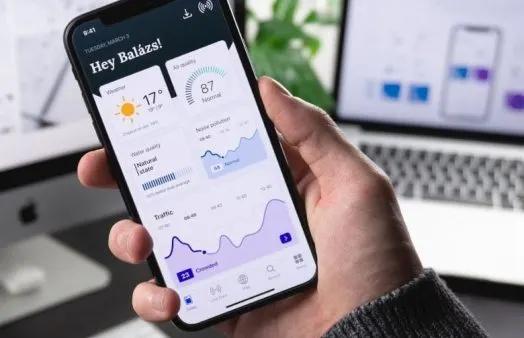
Web, mobile, tablet, desktop, Linux, dashboard, and API workflows around real devices.
Onboarding, status, commands, alarms, history, reports, and support flows based on device state.
Roles, permissions, command confirmation, logs, APIs, analytics, and release support.

IoT applications need device logic behind every screen
A normal app can assume data is available. An IoT application must handle pairing, offline state, stale telemetry, unsafe commands, alarms, roles, and support history.
- Design screens around device lifecycle and user responsibility
- Connect commands, alarms, reports, and history to platform APIs
- Prepare release, analytics, logs, and support handoff
Workstreams that move the project toward a usable product
Each workstream connects a real device, workflow, user role, or operating constraint with the software and hardware decisions required for delivery.
Mobile apps for Android and iOS
Device onboarding, control, notifications, sharing, history, and mobile release support.
Desktop apps for Mac and Windows
Operator tools, local device utilities, diagnostic screens, and equipment-control workflows.
Tablet and field apps
Site operations, inspection, installation, service, warehouse, and maintenance workflows.
Linux application support
Edge terminals, gateway UI, local control, device diagnostics, and embedded application layers.
UI/UX and API integration
Screen flows, dashboards, APIs, user roles, data visualization, and business-system links.
Testing and maintenance
QA devices, release notes, analytics events, crash logs, support issues, and iteration backlog.
From device state to user action across application surfaces
The application layer translates real device behavior into safe controls, clear visibility, reports, and support workflows.
Device model
Telemetry, commands, alarms, firmware, online state, and ownership rules.
User workflow
Onboarding, control, history, reports, notifications, sharing, and support actions.
Platform API
Authentication, device APIs, event APIs, command safety, files, and integrations.
Release operations
QA, analytics, crash logs, release notes, support handoff, and iteration planning.
Key engineering decisions to make before production
The most valuable work is often the integration boundary, recovery behavior, diagnostics, and ownership model that keeps the system maintainable.
Device-state UX
Screens distinguish offline, syncing, stale, alarm, updating, locked, and command-pending states.
Command safety
Risky controls can include confirmation, role checks, audit logs, timeout handling, and rollback prompts.
Cross-platform delivery
Mobile, web, desktop, tablet, and Linux interfaces can share consistent device models and APIs.
Data visualization
Charts, reports, history, maps, and logs are designed around the question users need answered.
Support workflow
Troubleshooting prompts, service tickets, device logs, and user feedback are connected to operations.
Release quality
QA devices, analytics, crash reporting, and phased rollout reduce post-launch uncertainty.
Good IoT apps turn field uncertainty into clear user decisions
The application should help users understand what the device is doing, whether action is safe, and what evidence is available when something goes wrong.
Screens and controls reflect real device states.
Users see only the actions they are allowed to take.
Apps stay aligned with device, platform, and business systems.
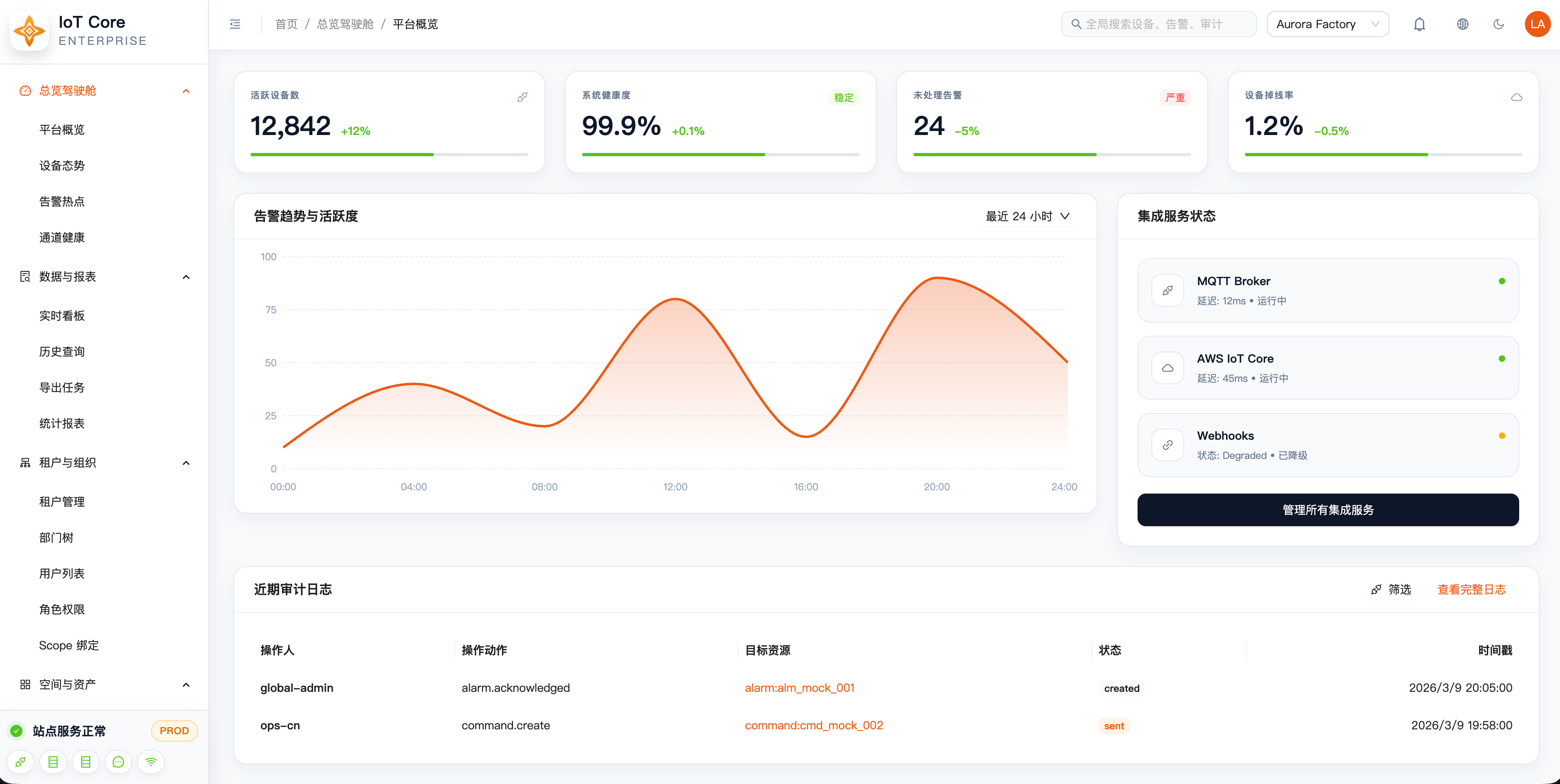
Where this service creates measurable product value
Service pages should show the operating environment, not only describe the technology stack.
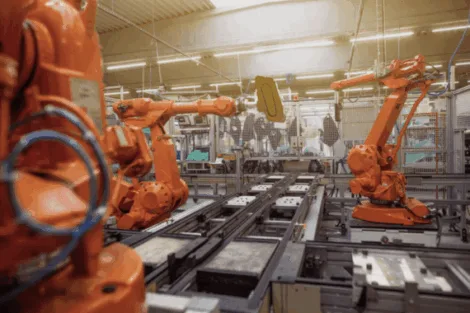
Industrial automation
Operator dashboards, device control, alarms, reports, and maintenance workflows for field equipment.
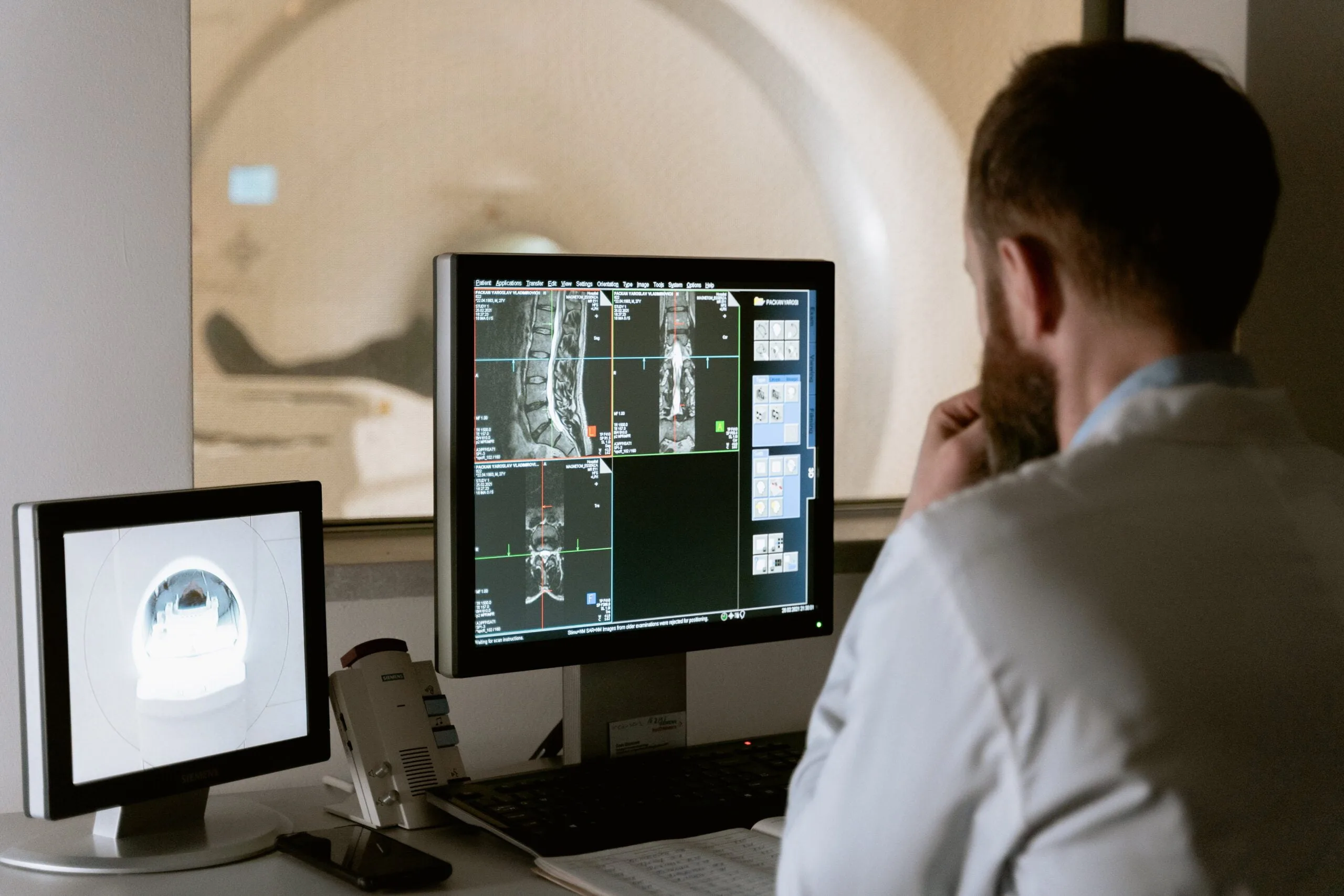
Healthcare and fitness
Connected device apps, records, alerts, data review, and service support for health products.
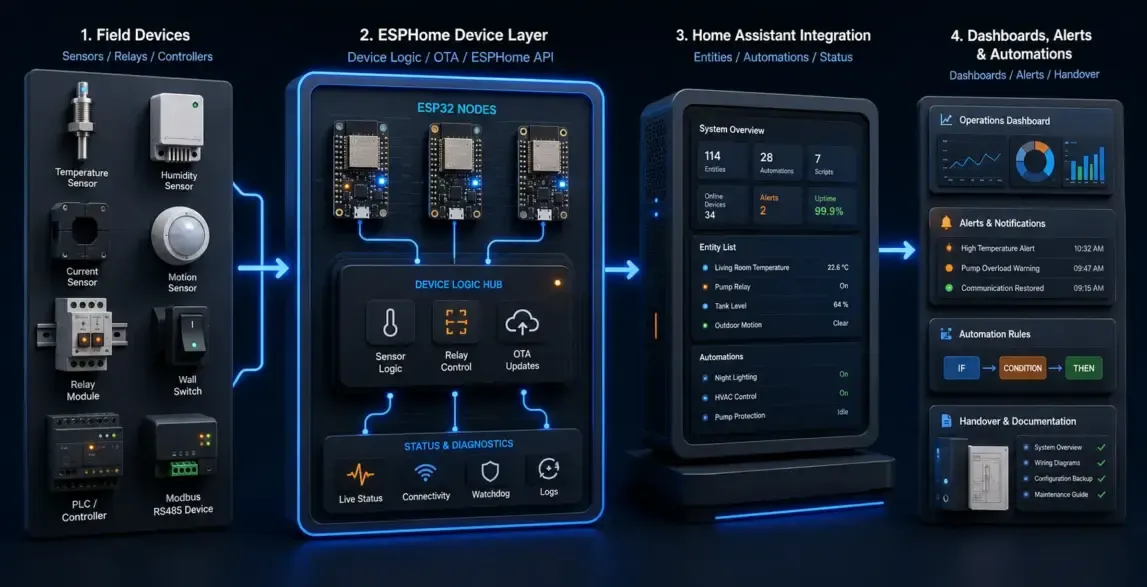
Smart home and facilities
Device onboarding, local control, energy data, alerts, sharing, and facility-service workflows.
What ZedIoT delivers
The output should help your team make a clear build decision, validate the first release, and keep the system maintainable after launch.
Application UX and flows
User roles, screens, device states, control paths, reports, and support workflows.
API integration
Authentication, device APIs, events, notifications, files, and business-system links.
Release package
QA evidence, analytics plan, release notes, known limits, and support handoff.
How the work moves from feasibility to handoff
User and device workflow
Map users, devices, states, commands, alarms, reports, and support responsibilities.
UX and API design
Define screens, data contracts, roles, permissions, notifications, and exception states.
Development and testing
Build application surfaces, connect APIs, test real devices, and validate command behavior.
Release support
Prepare QA devices, analytics events, deployment notes, release checklist, and support plan.
Iteration
Improve app flows based on field data, support issues, and new platform modules.
Practical advantages for AI + IoT product delivery
Device-aware app design
We understand firmware, gateway, cloud, and device-state limits behind the interface.
Full-stack implementation
App, API, dashboard, notification, and platform work can be delivered together.
Operations handoff
Release, analytics, support, and future iteration are considered before launch.
Questions to resolve before scope is locked
What is the first step for a Custom IoT Application Development Services project?
Start with a short feasibility review: target device or workflow, existing assets, business goal, integration systems, data availability, and the smallest useful pilot.
Can ZedIoT work with existing devices or platforms?
Yes. Many projects reuse existing controllers, gateways, SaaS systems, databases, or field workflows. We define the integration boundary before rebuilding anything.
Can the project be delivered in phases?
Yes. A typical path is feasibility, prototype, staged development, pilot validation, production hardening, and handoff.
Does the page support private deployment or source-code delivery?
For custom engineering projects, private deployment, source-code delivery, documentation, and handoff materials can be included in the commercial and technical scope.
Discuss Custom IoT Application Development Services
Share the device, workflow, system integration, deployment requirement, or business outcome you want to validate. We will help turn it into a practical AI + IoT implementation path.
- AI + IoT product architecture review
- Hardware, firmware, cloud, and application integration
- Prototype planning and production support