
Hire Dedicated AI and IoT Developers
Extend your product team with AI, IoT, firmware, cloud, mobile, hardware, QA, and delivery engineers who can work around a defined product roadmap.
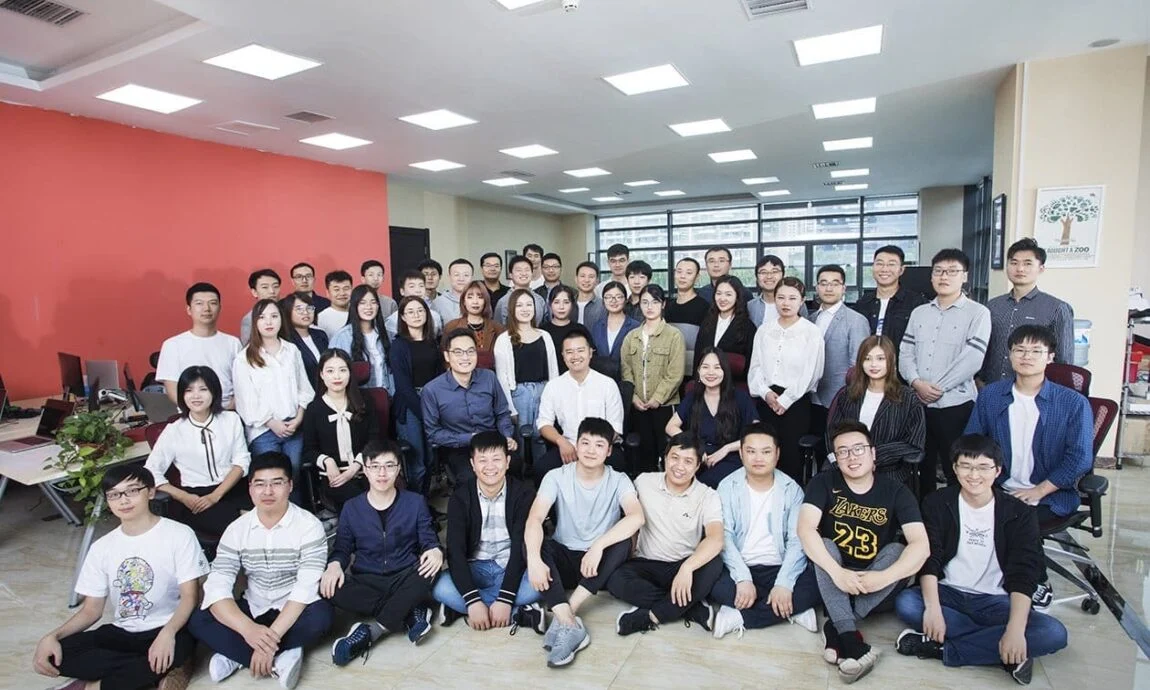
Product architects, AI engineers, embedded developers, cloud engineers, app developers, and QA.
Work as your technical team or an extension of your internal product and engineering organization.
Weekly planning, visible progress, acceptance criteria, handoff notes, and long-term cooperation.

Dedicated developers work best when roles are tied to a real product roadmap
A productive dedicated team is not just headcount. It needs the right mix of product, device, cloud, AI, app, testing, and delivery responsibilities.
- Choose roles by product roadmap and technical risk
- Keep firmware, cloud, app, AI, and QA work visible together
- Use clear acceptance criteria and communication rhythm
Workstreams that move the project toward a usable product
Each workstream connects a real device, workflow, user role, or operating constraint with the software and hardware decisions required for delivery.
AI application developers
RAG, agents, automation, vision, voice, prompts, evaluation, and workflow integration.
IoT platform engineers
Device models, dashboards, APIs, alarms, reports, permissions, and cloud deployment.
Embedded and firmware developers
ESP32, Linux, gateway logic, protocols, OTA, diagnostics, and local-control software.
Mobile and web app developers
Device onboarding, control UI, notifications, dashboards, user roles, and release support.
Hardware and integration engineers
PCBA review, modules, sensors, gateways, test benches, and field validation.
QA and delivery support
Test plans, acceptance evidence, regression checks, deployment notes, and support handoff.
Team structure around product risk and delivery responsibility
The team model should match the work that blocks progress: device access, platform features, AI workflow, mobile UX, hardware validation, or QA.
Product and architecture
Clarify roadmap, scope, acceptance criteria, technical choices, and delivery rhythm.
Device and edge team
Firmware, gateway, Linux, protocols, hardware integration, and field diagnostics.
Cloud and AI team
Platform services, AI workflows, APIs, data, dashboards, and business-system integration.
QA and release
Testing, validation evidence, release notes, support handoff, and iteration backlog.
Key engineering decisions to make before production
The most valuable work is often the integration boundary, recovery behavior, diagnostics, and ownership model that keeps the system maintainable.
Role selection
We help choose team roles around the actual bottleneck, not a generic staffing list.
Cross-discipline coordination
Firmware, cloud, AI, mobile, and hardware tasks are planned together to avoid handoff gaps.
Delivery transparency
Weekly scope, progress, test evidence, blockers, and next decisions are visible.
IP and handoff
Source code, deployment notes, test evidence, and documentation can be prepared for client ownership.
Short-term and long-term fit
Teams can support a prototype, MVP, product release, or long-running platform roadmap.
Specialist escalation
Hardware, AI, protocol, DevOps, and platform specialists can join when the project needs them.
A dedicated team should improve delivery speed without hiding engineering risk
The value is not just more developers. It is the ability to coordinate device, software, AI, platform, and validation work under one product objective.
Product, embedded, cloud, AI, mobile, hardware, and QA roles are available.
Dedicated communication and delivery cadence can be arranged.
Scope, evidence, blockers, and handoff are reviewed continuously.

Where this service creates measurable product value
Service pages should show the operating environment, not only describe the technology stack.

Connected product MVP
A mixed team can move from device access to app, platform, AI workflow, and launch proof.
Platform extension team
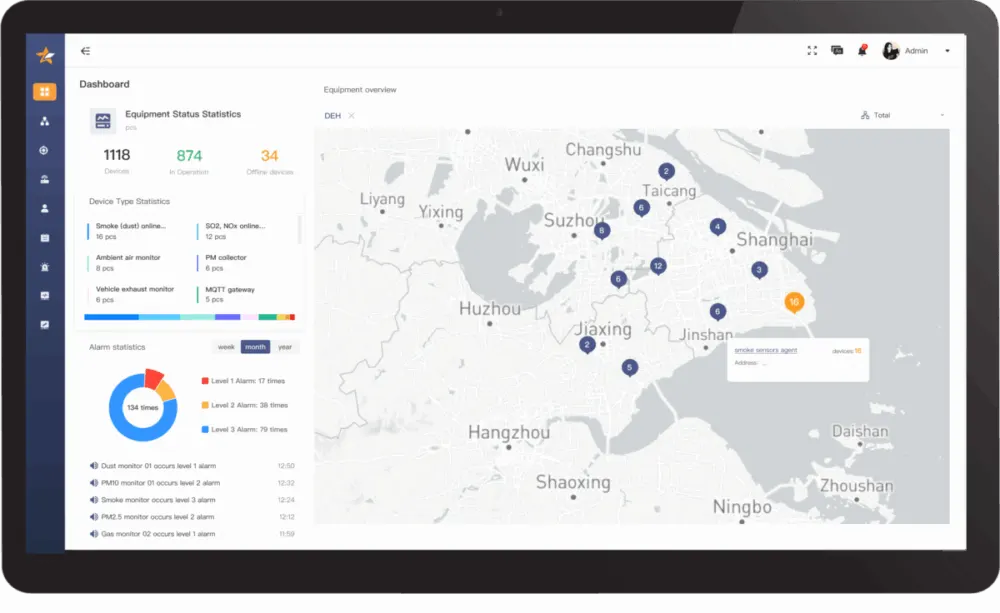
Add engineers for API, dashboard, reporting, alarm, integration, or private deployment modules.

Embedded and hardware support
Bring in firmware, gateway, PCBA, and validation engineers around physical device constraints.
What ZedIoT delivers
The output should help your team make a clear build decision, validate the first release, and keep the system maintainable after launch.
Team composition
Recommended roles, responsibilities, collaboration model, and onboarding materials.
Delivery cadence
Planning rhythm, sprint goals, test evidence, review checkpoints, and risk handling.
Handoff materials
Source, documentation, deployment notes, QA records, and support boundaries as agreed.
How the work moves from feasibility to handoff
Project review
Clarify product stage, technical stack, business goal, timeline, and internal team capability.
Role matching
Select specialists for AI, IoT platform, firmware, hardware, app, QA, or DevOps work.
Onboarding
Set communication rhythm, repositories, documentation, acceptance criteria, and delivery board.
Delivery cycle
Run weekly progress reviews, demos, blocker reviews, and test evidence checks.
Scale or handoff
Adjust team size, transfer knowledge, prepare docs, and plan long-term support if needed.
Practical advantages for AI + IoT product delivery
AI + IoT focus
The team understands devices, firmware, platforms, AI workflows, and product operations together.
Flexible cooperation
The model can support prototype acceleration, MVP delivery, or long-term product development.
Clear ownership
Client-owned source, documentation, test evidence, and delivery records can be defined from the start.
Questions to resolve before scope is locked
What is the first step for a Hire Dedicated Remote Developers for IoT and AI Projects project?
Start with a short feasibility review: target device or workflow, existing assets, business goal, integration systems, data availability, and the smallest useful pilot.
Can ZedIoT work with existing devices or platforms?
Yes. Many projects reuse existing controllers, gateways, SaaS systems, databases, or field workflows. We define the integration boundary before rebuilding anything.
Can the project be delivered in phases?
Yes. A typical path is feasibility, prototype, staged development, pilot validation, production hardening, and handoff.
Does the page support private deployment or source-code delivery?
For custom engineering projects, private deployment, source-code delivery, documentation, and handoff materials can be included in the commercial and technical scope.
Discuss Hire Dedicated Remote Developers for IoT and AI Projects
Share the device, workflow, system integration, deployment requirement, or business outcome you want to validate. We will help turn it into a practical AI + IoT implementation path.
- AI + IoT product architecture review
- Hardware, firmware, cloud, and application integration
- Prototype planning and production support