

Custom Firmware Development for Smart Hardware and IoT Devices
Build firmware that matches the hardware, control logic, connectivity, diagnostics, OTA, factory test, and field-maintenance reality of the product.
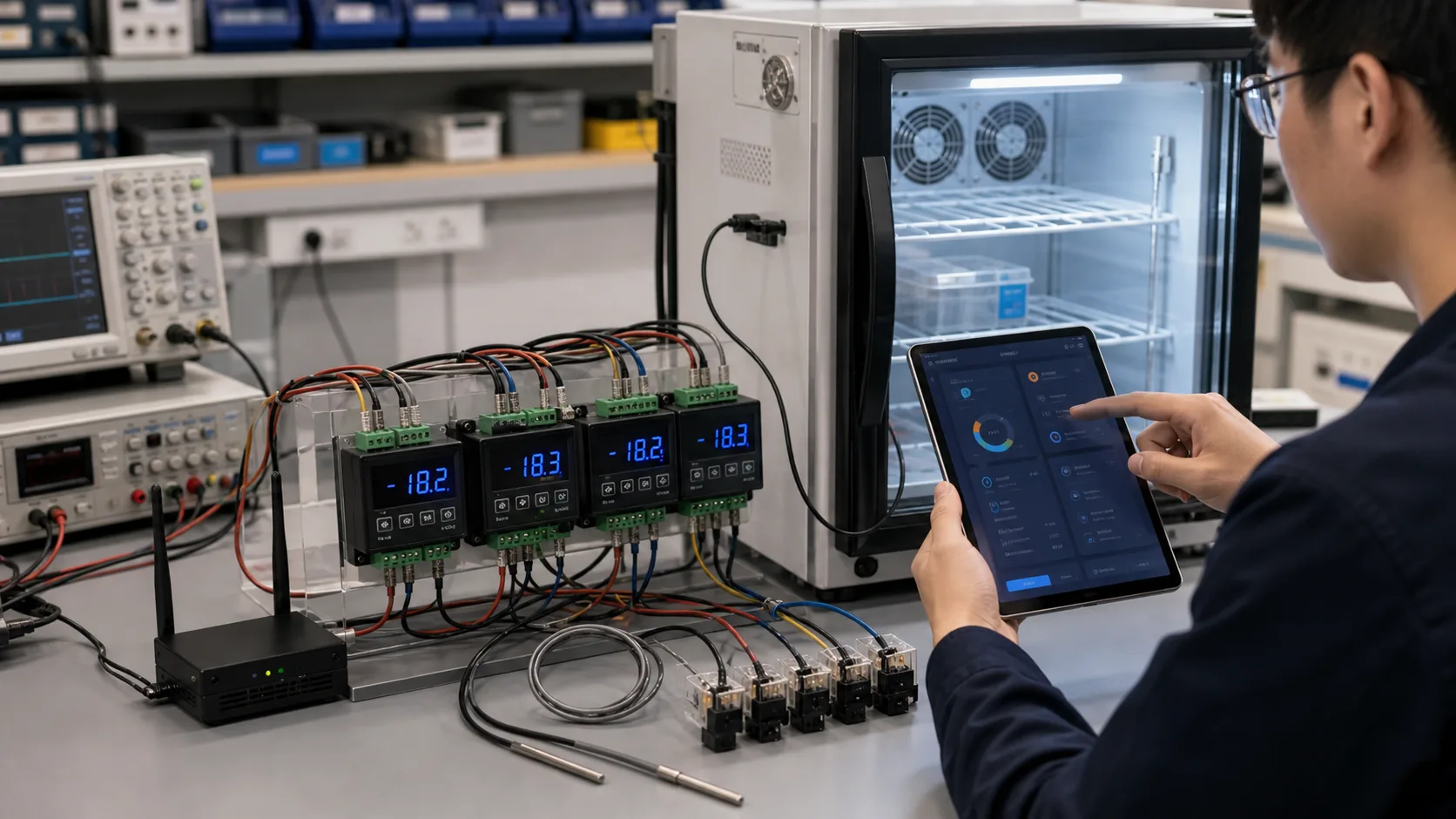
Drivers, peripherals, RTOS/Linux services, local control, watchdogs, and runtime behavior.
Wi-Fi, BLE, serial, Modbus, MQTT, gateway onboarding, payload mapping, and reconnection behavior.
Boot strategy, rollback, logs, error codes, factory tests, field debugging, and handoff documentation.
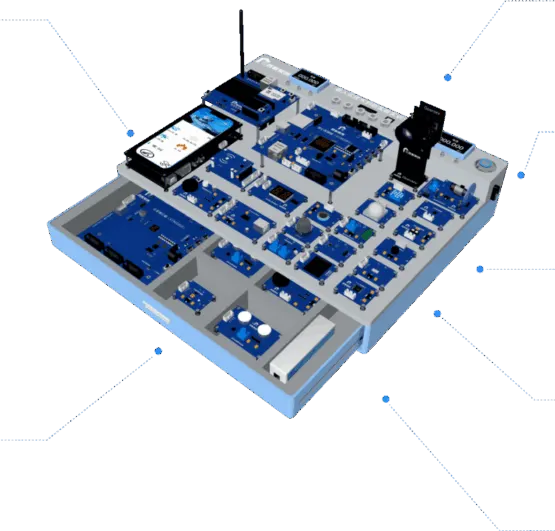
The firmware must explain how the product behaves when conditions are not ideal
Stable firmware is visible in recovery behavior: power loss, weak network, sensor abnormality, invalid commands, failed updates, and factory or field test workflows.
- Define device state machine, control limits, and failure recovery early
- Keep logs, diagnostics, and error codes usable by support teams
- Validate with real hardware, not only simulation or API mocks
Workstreams that move the project toward a usable product
Each workstream connects a real device, workflow, user role, or operating constraint with the software and hardware decisions required for delivery.
Firmware architecture
State machine, task model, hardware abstraction, storage, update policy, logs, and control-safety boundaries.
Driver and peripheral work
Sensors, relays, displays, serial ports, wireless modules, IO expansion, storage, and board-specific bring-up.
Communication stacks
MQTT, HTTP, Modbus, RS485/RS232, BLE, Wi-Fi, ZigBee-related gateway links, and payload contracts.
OTA and version control
Bootloader planning, image validation, rollback, staged rollout, version reporting, and update failure handling.
Diagnostics and field tools
Logs, debug commands, local test interfaces, device health reports, and remote support data.
Factory and production test
Test fixtures, calibration checks, provisioning, serial numbers, QA records, and production handoff notes.
Firmware layers from hardware interface to connected product behavior
A maintainable firmware project separates hardware details, control logic, communication contracts, diagnostics, and update behavior so each layer can be tested.
Hardware interface
GPIO, sensors, relays, serial ports, wireless modules, displays, power states, and board bring-up.
Runtime and control
Tasks, state machine, local rules, watchdogs, data storage, safety limits, and abnormal-state handling.
Connectivity layer
BLE/Wi-Fi/serial/MQTT behavior, gateway onboarding, payload format, reconnect, and offline cache.
Maintenance layer
OTA, logs, diagnostics, factory tests, field tools, release notes, and support handoff.
Key engineering decisions to make before production
The most valuable work is often the integration boundary, recovery behavior, diagnostics, and ownership model that keeps the system maintainable.
State-machine design
The product's normal, abnormal, update, factory, and service states are made explicit before coding accelerates.
Protocol and payload contracts
Firmware data structures are aligned with gateways, apps, and platforms so later integration remains stable.
Low-level reliability
Watchdogs, power recovery, retries, timing, sensor validation, and memory constraints are considered in implementation.
Production-ready OTA
Update checks, version reporting, image validation, rollback, and staged rollout reduce field update risk.
Test fixture mindset
Factory tests, calibration, provisioning, and sample-device validation are planned as part of the firmware scope.
Handoff clarity
Build instructions, logs, release notes, diagnostics, and code structure are prepared for long-term maintenance.
Firmware quality is measured by field behavior, not by a compiled image
A strong firmware delivery tells the operations team what the device is doing, why it failed, how it can recover, and whether the next release can be deployed safely.
Control logic and abnormal states are testable and documented.
Version, rollback, and diagnostics are planned before pilot.
Factory and field validation are included in handoff.

Where this service creates measurable product value
Service pages should show the operating environment, not only describe the technology stack.
Smart controller products
Temperature, relay, sensor, alarm, and parameter-control firmware for connected equipment and OEM devices.
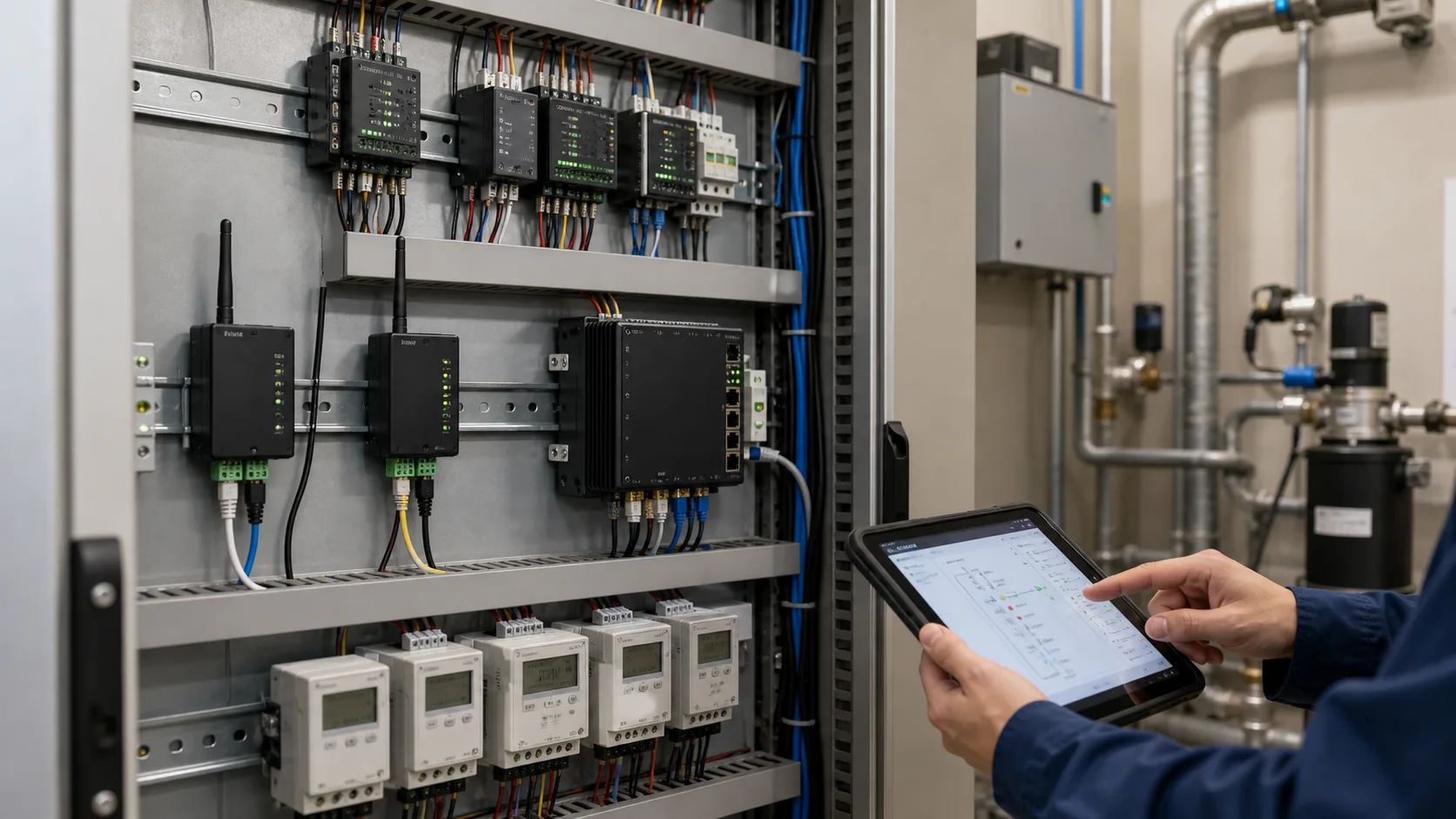
Gateway and protocol devices
Embedded Linux, serial access, local rules, MQTT bridges, diagnostics, and device-management integration.
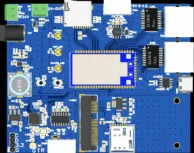
Field-maintained hardware
OTA, logs, service tools, commissioning flows, and production test processes for deployed device fleets.
What ZedIoT delivers
The output should help your team make a clear build decision, validate the first release, and keep the system maintainable after launch.
Firmware architecture package
State machine, hardware interface, protocol map, storage, OTA plan, and test boundary.
Runnable firmware and tools
Source code, build notes, diagnostics, test commands, provisioning steps, and release artifacts.
Validation and handoff
Test records, factory/field checklist, known limits, release notes, and next-iteration backlog.
How the work moves from feasibility to handoff
Hardware and requirement review
Review schematics, modules, interfaces, target behavior, control limits, protocol documents, and production assumptions.
Firmware architecture
Define tasks, state machine, hardware abstraction, protocol payloads, diagnostics, and update strategy.
Bring-up and implementation
Develop drivers, control logic, communication stacks, local storage, OTA, logs, and test commands.
Device validation
Test power cycles, weak network, abnormal sensors, protocol timing, OTA failure, and factory or field workflows.
Production handoff
Prepare source handoff, build documentation, release notes, test fixtures, and maintenance recommendations.
Practical advantages for AI + IoT product delivery
Hardware and platform awareness
Firmware is designed with gateways, apps, IoT platforms, and support workflows in mind.
Field reliability focus
Recovery, diagnostics, logging, and update behavior are treated as core features.
Production-minded delivery
Factory testing, validation records, and handoff materials reduce risk beyond the prototype phase.
Questions to resolve before scope is locked
What information is needed before starting a custom firmware project?
Useful inputs include the target MCU or Linux board, schematic or module data, peripherals, communication protocol, control logic, existing source code if any, update requirements, and expected production or pilot volume.
Can ZedIoT work with existing hardware and legacy firmware?
Yes. We can review existing firmware, debug device behavior, add connectivity, refactor drivers, plan OTA, or rebuild selected modules when the original code cannot support the new product path.
Do you support OTA and field diagnostics?
Yes. OTA strategy, version reporting, rollback, logs, error codes, watchdog behavior, and remote diagnostics can be included when the product needs long-term field maintenance.
Can firmware work include factory testing?
Yes. We can prepare provisioning steps, test commands, calibration checks, production records, firmware flashing notes, and validation checklists for pilot or production handoff.
How is firmware connected to an IoT platform?
We usually define payload contracts, telemetry fields, commands, firmware versions, error states, and MQTT or HTTP behavior together with the platform or gateway layer.
Discuss Custom Firmware Development Services
Share the device, workflow, system integration, deployment requirement, or business outcome you want to validate. We will help turn it into a practical AI + IoT implementation path.
- AI + IoT product architecture review
- Hardware, firmware, cloud, and application integration
- Prototype planning and production support