
Rapid Device Cloud Integration
ZedIoT provides one-stop rapid device-cloud integration services for teams that need fast device onboarding, secure data transmission, real-time monitoring, and a practical platform proof before a larger rollout.

How rapid device cloud integration works
Rapid device-cloud integration quickly registers IoT devices, establishes secure connections, and uses centralized management tools to make device data available for applications, operators, and business decisions.
Data can be processed at the edge or in the cloud, then displayed in dashboards, alerts, reports, and APIs while keeping security, scalability, and interoperability visible from the beginning.
Book an online meeting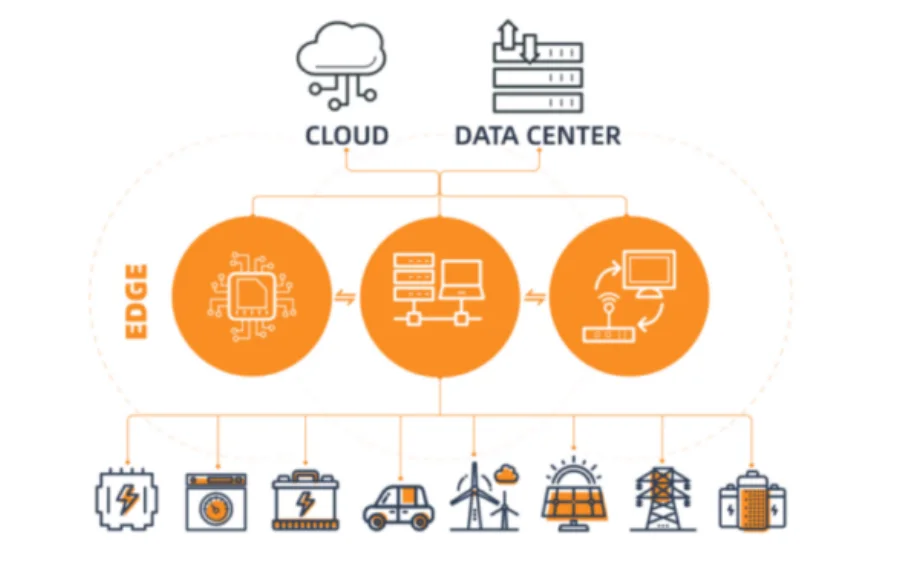
ZedIoT rapid device integration solution
The service helps teams unlock business value through intelligent device management, device monitoring, cloud workflows, and data-driven decisions.
 Step 01
 Add sensors and communication modules
Attach sensors, serial converters, wireless modules, or gateways to collect useful operating data from representative equipment.
 Step 02
 Deploy data system and device access
Bring device data into a controlled path through MQTT, HTTP, gateway software, private protocol adapters, or an existing API.
 Step 03
 Develop a customized IoT platform
Build the first dashboard, device model, alarm rule, user role, and report needed to validate the operating scenario.
 Step 04
 Analyze data and make rollout decisions
Use real telemetry, alarm records, and workflow feedback to decide the next product, platform, gateway, or integration roadmap.
Device connection and integration hardware
ZedIoT specializes in custom gateway devices, data upload, remote monitoring, public protocol adaptation, and private protocol development for wired and wireless equipment.
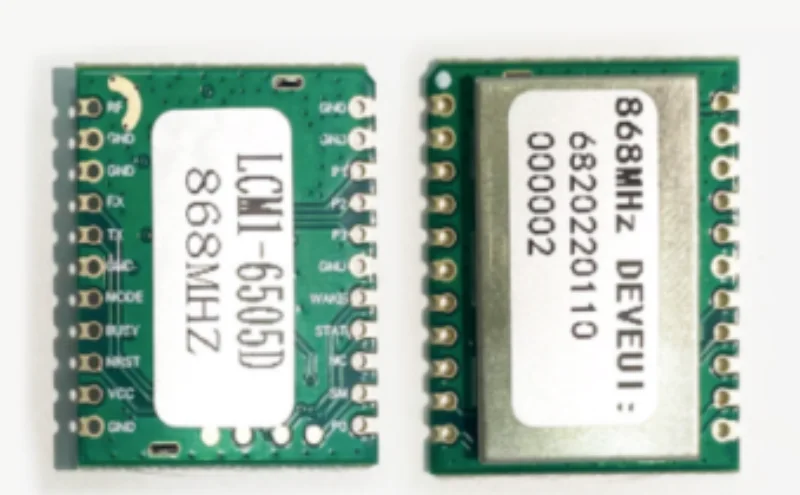
Communication Modules
Supports various communication modules
- Suitable for diverse field scenarios and device connection requirements
- Useful when the equipment can be integrated without replacing the main controller
- Can be paired with cloud onboarding, field testing, and dashboard validation
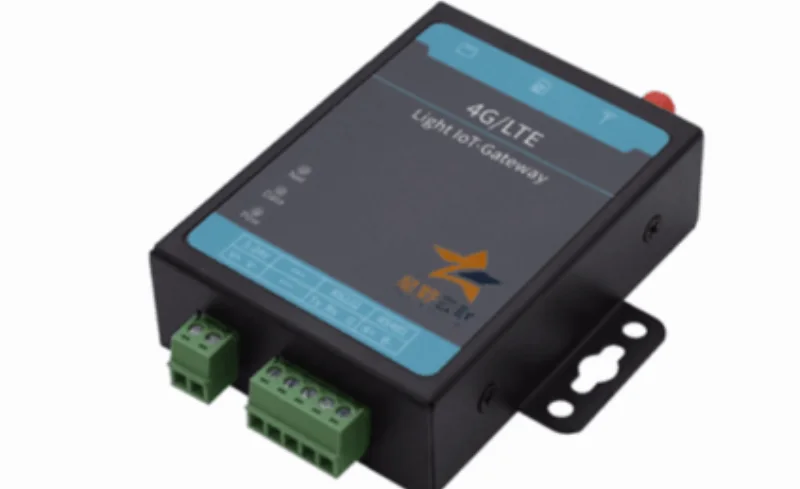
IoT Gateway
ZedIoT self-developed gateway base
- Supports multiple industrial and wireless protocols for device collection
- Can adapt custom protocols, collection rules, and alarm mapping
- Shortens field proof when the device needs buffering, protocol translation, or remote monitoring
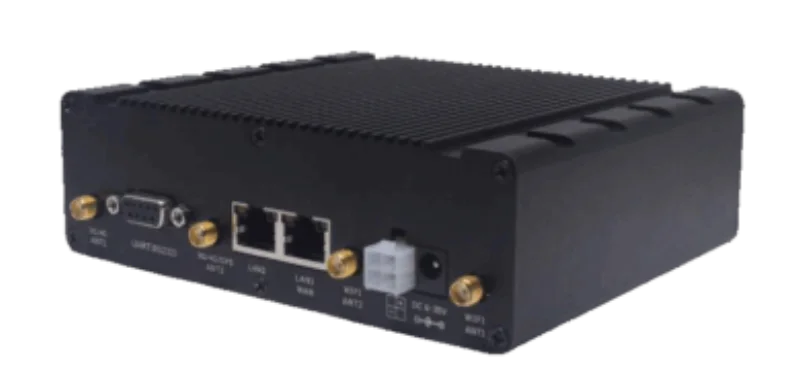
Edge Computing Device
Local preprocessing for time-sensitive workloads
- Preprocess and analyze data locally before cloud upload
- Reduce cloud processing load and improve transmission efficiency
- Best for applications that require faster response or weak-network tolerance
Device monitoring and data analysis platform
A rapid cloud platform should prove device access, data processing, custom development needs, and industry application fit with enough detail to guide the next production build.
Device Access
Support N+ mainstream IoT protocols and gateway access patterns.
Data Processing
Collect, normalize, and send field data to the cloud for monitoring and analysis.
Custom Development
Build secondary platform features around the customer's operating workflow.
Industry Application
Adapt the platform to different devices, sites, and business scenarios.
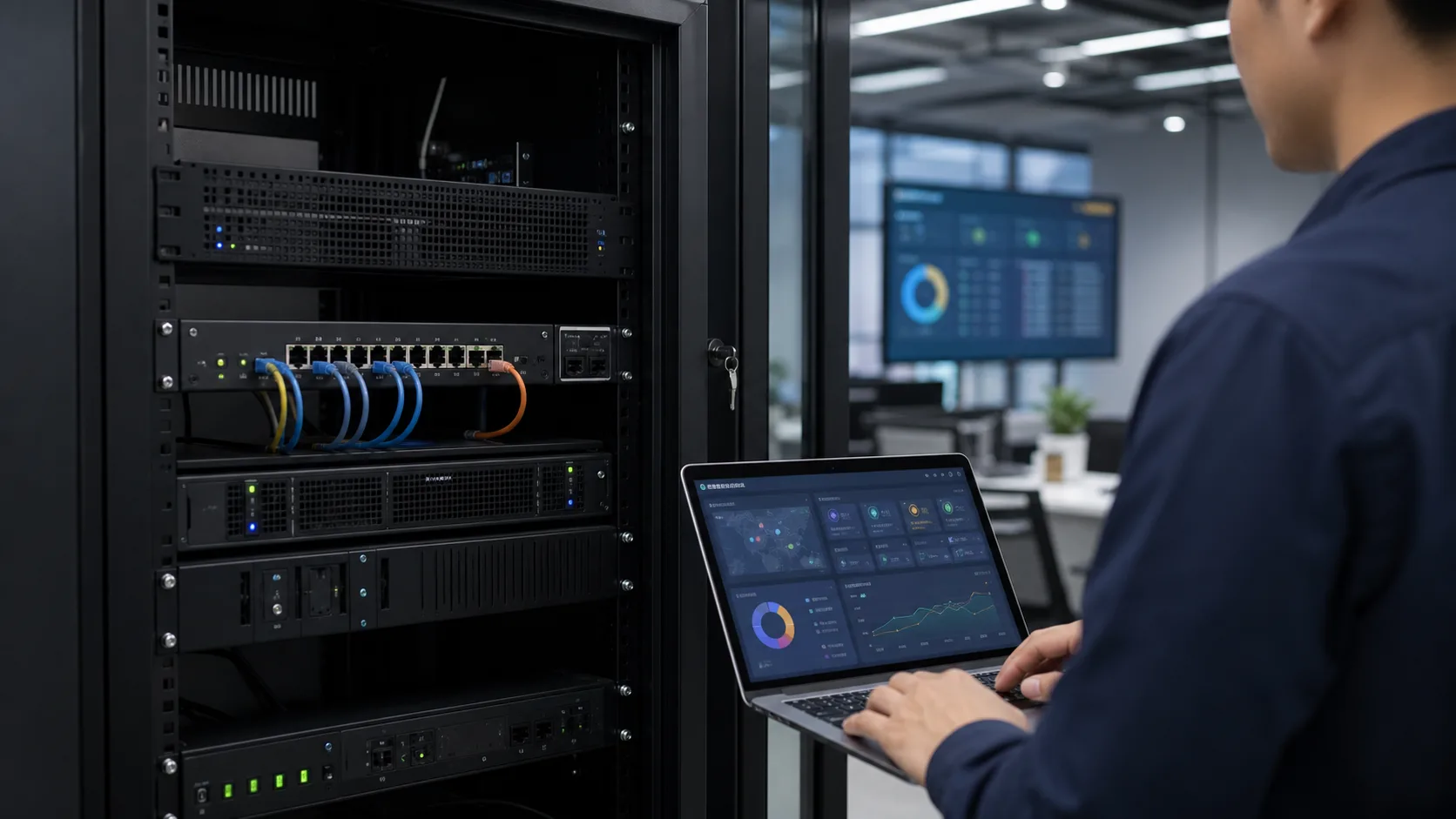
Building Energy-saving Platform
Monitor real-time energy consumption, detect abnormal usage, and provide energy optimization recommendations for buildings and facilities.
- Energy consumption data monitoring
- Excessive energy consumption warning
- Energy optimization recommendations
- Data statistical analysis

Gas Environmental Monitoring Platform
Connect temperature, humidity, harmful gas, CO2, SO2, NO2, ozone, and other sensors for real-time safety monitoring.
- Device access management
- Data acquisition and transmission
- Data analysis and early warning
- Data analytics reports
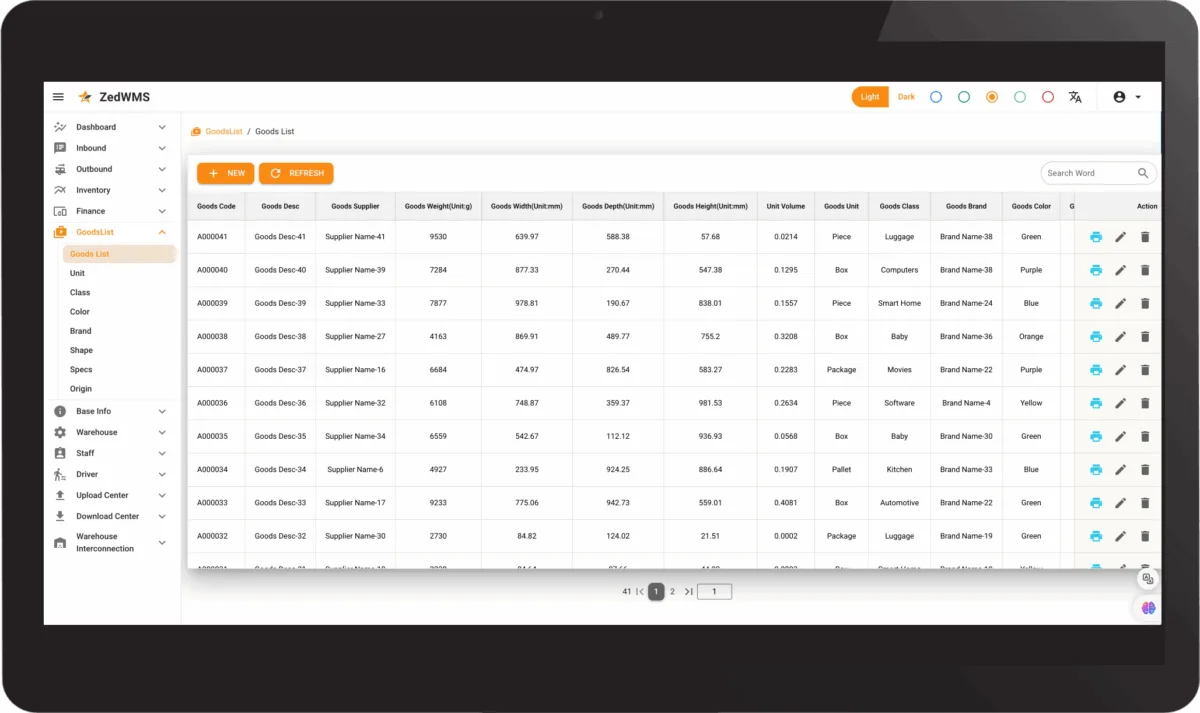
Intelligent Storage Management Platform
Use IoT data, asset tracking, and workflow data to improve inventory, cargo traceability, and warehouse dispatching.
- Inventory management
- Cargo tracking
- Smart dispatching
- Data sharing with ERP or supply-chain systems

Vehicle Management Platform
Track location, route, device status, transport events, and maintenance records to reduce transport risk and operating cost.
- Vehicle monitoring and management
- Vehicle dispatch management
- Cargo tracking management
- Operations and maintenance management
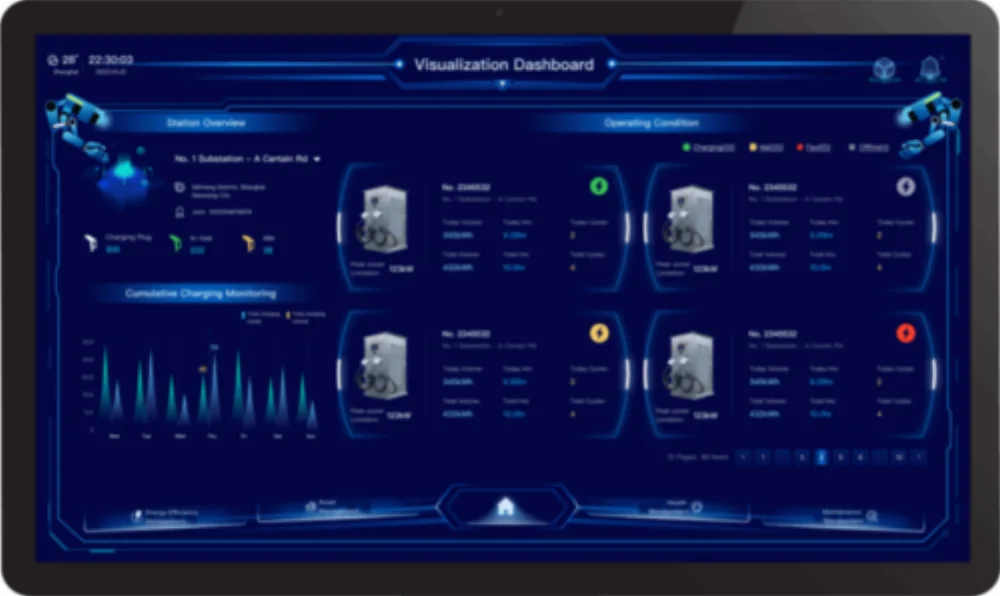
Charging Station Management Platform
Connect smart charging piles, monitor operating status, manage charging events, and generate station operation reports.
- Charging station equipment monitoring
- Remote control and operation
- Failure warning and remote maintenance
- Data statistics reports

Intelligent Fire Protection Platform
Monitor fire equipment, alarm events, inspection records, and maintenance workflows to improve safety response speed.
- Fire equipment monitoring
- Fire alarm system integration
- Online equipment maintenance
- Fire safety management workflow
Technical tools and platforms behind efficient device-cloud integration
The goal is not only to connect devices, but to make the first integration reliable enough for security review, data modeling, dashboard design, and future platform expansion.
Start hereDevice connectivity and communication
Wi-Fi, Bluetooth, LoRaWAN, MQTT, Modbus, serial, gateway, and API paths are selected according to the field equipment and pilot risk.
Industry-based IoT cloud platform
The platform is shaped around the actual scenario: building energy, environment, warehouse, vehicle, charging station, or fire protection.
Security and privacy protection
Authentication, encryption, user roles, access boundaries, and deployment model are clarified before moving beyond the pilot.
Data processing and analysis
Telemetry is normalized into device models, alarms, reports, dashboards, and future interfaces for business-system integration.
Cloud features that make the pilot useful
These features help turn a quick connection into operational evidence: what data is available, what users need to see, and what controls must be safe before production.
Large visualization dashboard
Analyze multidimensional data and present device supervision data in an operating dashboard.
Fast device onboarding
Support diverse sensors, controllers, gateways, and protocols across field scenarios.
Device management
Manage device information, remote control, batch commands, and graphical device monitoring.
Device configuration management
Edit visual components and layouts to fit different equipment and site structures.
Organizational management
Support multi-level organization and user management for operating teams.
User permission management
Assign roles, access boundaries, and operating authority for safer remote management.
Equipment abnormal warning
Trigger custom alarms and action mechanisms for abnormal device data or operating states.
System logging
Record system status and events so developers, operators, and administrators can trace issues.
ZedIoT service process
Each step is designed to protect the speed of the pilot while still producing evidence that can support production platform, gateway, firmware, or application decisions.
Requirements Analysis
- Understand client needs and site conditions
- Define technical requirements and acceptance data
- Propose the device-cloud integration path
Platform Development
- Build cloud platform interfaces
- Create reliable backend services
- Connect dashboard, alarms, and reporting
Device Integration
- Assess existing equipment and interfaces
- Configure gateways, modules, or adapters
- Optimize devices for cloud integration
Testing and Validation
- Check data quality, alarms, and logs
- Fix software and connection issues
- Validate a high-quality device-cloud loop
Continuous Maintenance
- Monitor device availability
- Respond quickly to field risks
- Maintain device management and data analysis services
Business scenarios where rapid integration becomes useful
Rapid device-cloud integration is strongest when it turns field data into operating visibility, maintenance response, or a validated digital product direction.
Questions before starting a device-cloud pilot
What is IoT cloud integration?
IoT cloud integration connects devices, gateways, sensors, controllers, and cloud platforms so teams can monitor status, process data, trigger alarms, and manage equipment remotely.
When should we choose rapid device-cloud integration instead of a full platform project?
Choose rapid integration when you need real device data and workflow proof before committing to a larger custom platform, firmware, gateway, or business-system integration roadmap.
Can the pilot become a production platform later?
Yes. The pilot can define device models, protocol paths, dashboard needs, alarm rules, API contracts, security requirements, and the next production scope.
Plan a rapid device-cloud integration project
Share the device type, interface, target cloud or platform, monitoring needs, and pilot timeline. We will help define the fastest credible path from real equipment to usable operating data.
- AI + IoT product architecture review
- Hardware, firmware, cloud, and application integration
- Prototype planning and production support