

MQTT Integration for Connected Device Systems
Design predictable telemetry and command channels with topic structure, payload contracts, security, broker deployment, reconnect behavior, and platform integration.
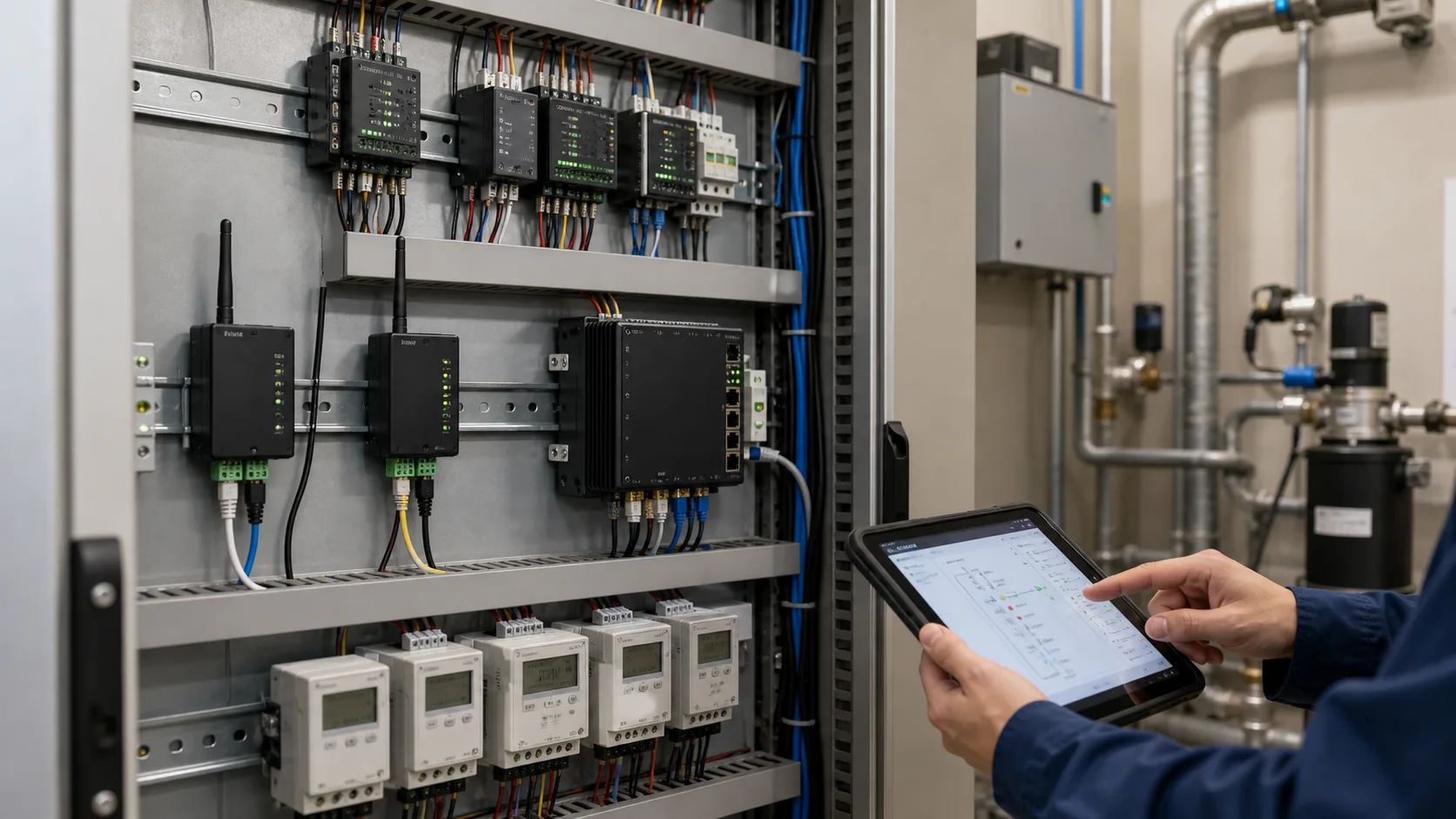
Namespace, product model, device ID, command, event, retained state, and version rules.
Telemetry schema, command schema, error code, timestamps, and compatibility plan.
Authentication, TLS, ACL, monitoring, reconnect behavior, and deployment responsibility.
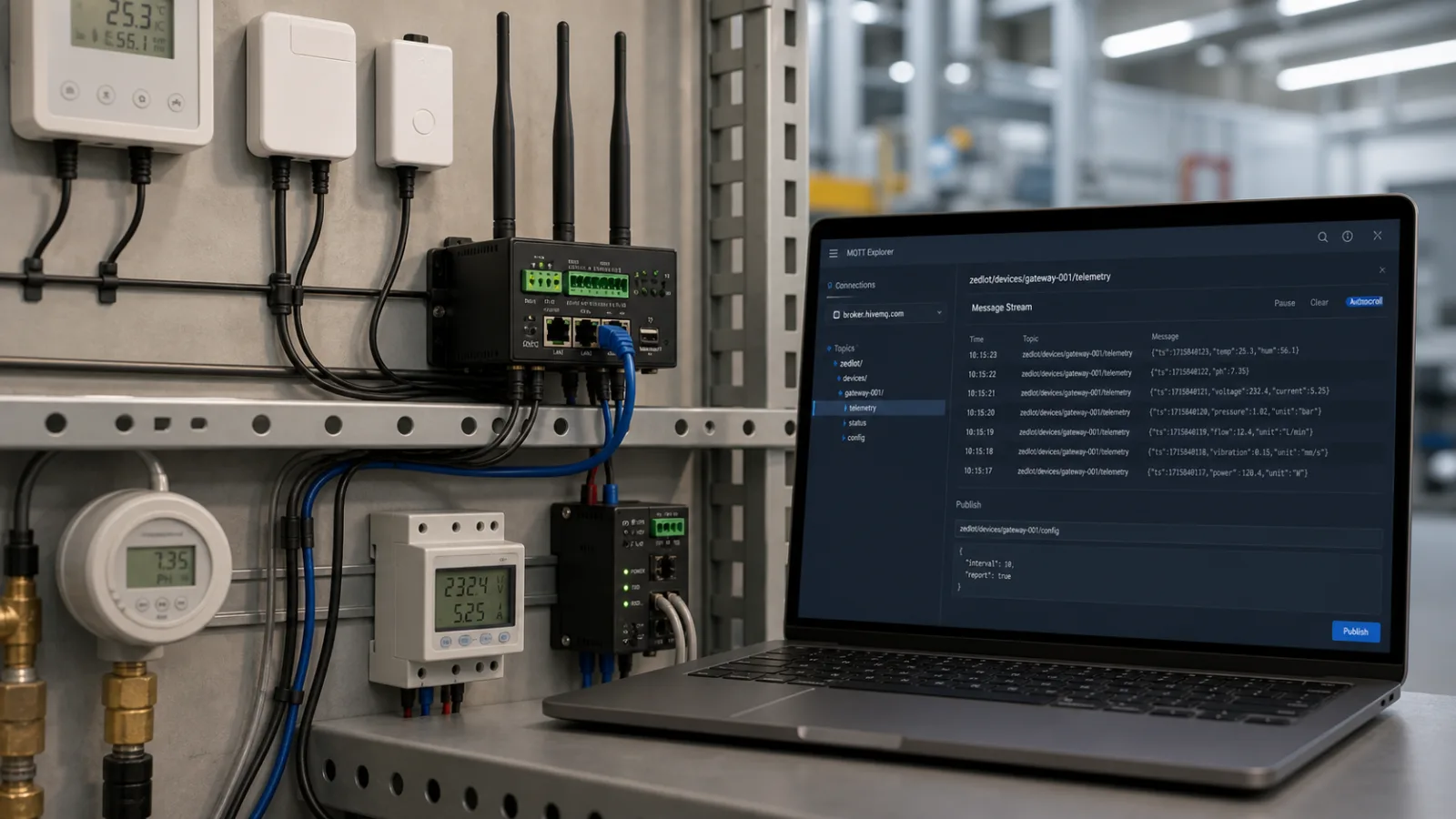
MQTT is a contract between device behavior and platform operations
A stable MQTT project defines what devices publish, what the platform commands, how failures recover, and how the broker is secured and monitored.
- Topic naming follows product and tenant boundaries
- Payload schemas are versioned before integration expands
- Reconnect, retained state, QoS, and offline handling are tested
From field telemetry to platform action
MQTT integration should make telemetry predictable, commands safe, and platform behavior traceable.
Device client
Firmware, gateway, or application client publishes telemetry and listens for commands.
Broker layer
TLS, authentication, ACL, topics, retained messages, and session behavior.
Rule and API layer
Consume events, normalize payloads, trigger alarms, and call platform APIs.
Operations layer
Monitor broker health, reconnects, message delay, and data quality.
MQTT quality is measured by operational predictability
The channel must remain understandable when devices disconnect, firmware changes, sites are offline, or platform consumers evolve.
Message behavior is selected by business risk.
Authentication and ACL are planned before pilot.
Contracts keep device and platform teams aligned.
What ZedIoT delivers
The output should help your team make a clear build decision, validate the first release, and keep the system maintainable after launch.
MQTT architecture
Broker, namespace, topics, clients, security, and deployment model.
Payload and rule design
Telemetry, command, alarm, retained state, and event normalization.
Integration validation
Reconnect tests, security checks, monitoring, and platform acceptance.
Questions to resolve before scope is locked
What is the first step for a MQTT Integration Services project?
Start with a short feasibility review: target device or workflow, existing assets, business goal, integration systems, data availability, and the smallest useful pilot.
Can ZedIoT work with existing devices or platforms?
Yes. Many projects reuse existing controllers, gateways, SaaS systems, databases, or field workflows. We define the integration boundary before rebuilding anything.
Can the project be delivered in phases?
Yes. A typical path is feasibility, prototype, staged development, pilot validation, production hardening, and handoff.
Does the page support private deployment or source-code delivery?
For custom engineering projects, private deployment, source-code delivery, documentation, and handoff materials can be included in the commercial and technical scope.
Discuss MQTT Integration Services
Share the device, workflow, system integration, deployment requirement, or business outcome you want to validate. We will help turn it into a practical AI + IoT implementation path.
- AI + IoT product architecture review
- Hardware, firmware, cloud, and application integration
- Prototype planning and production support