

IoT Hardware Development from PoC to Pilot
Move from product idea to a testable hardware path with sensor selection, modules, PCBA review, firmware integration, enclosure constraints, and production validation.

Sensor, radio, compute, interface, and power choices tested against business workflow.
Firmware and cloud requirements reviewed before board and module choices are locked.
Prototype validation, test plan, integration risks, and production handoff prepared together.
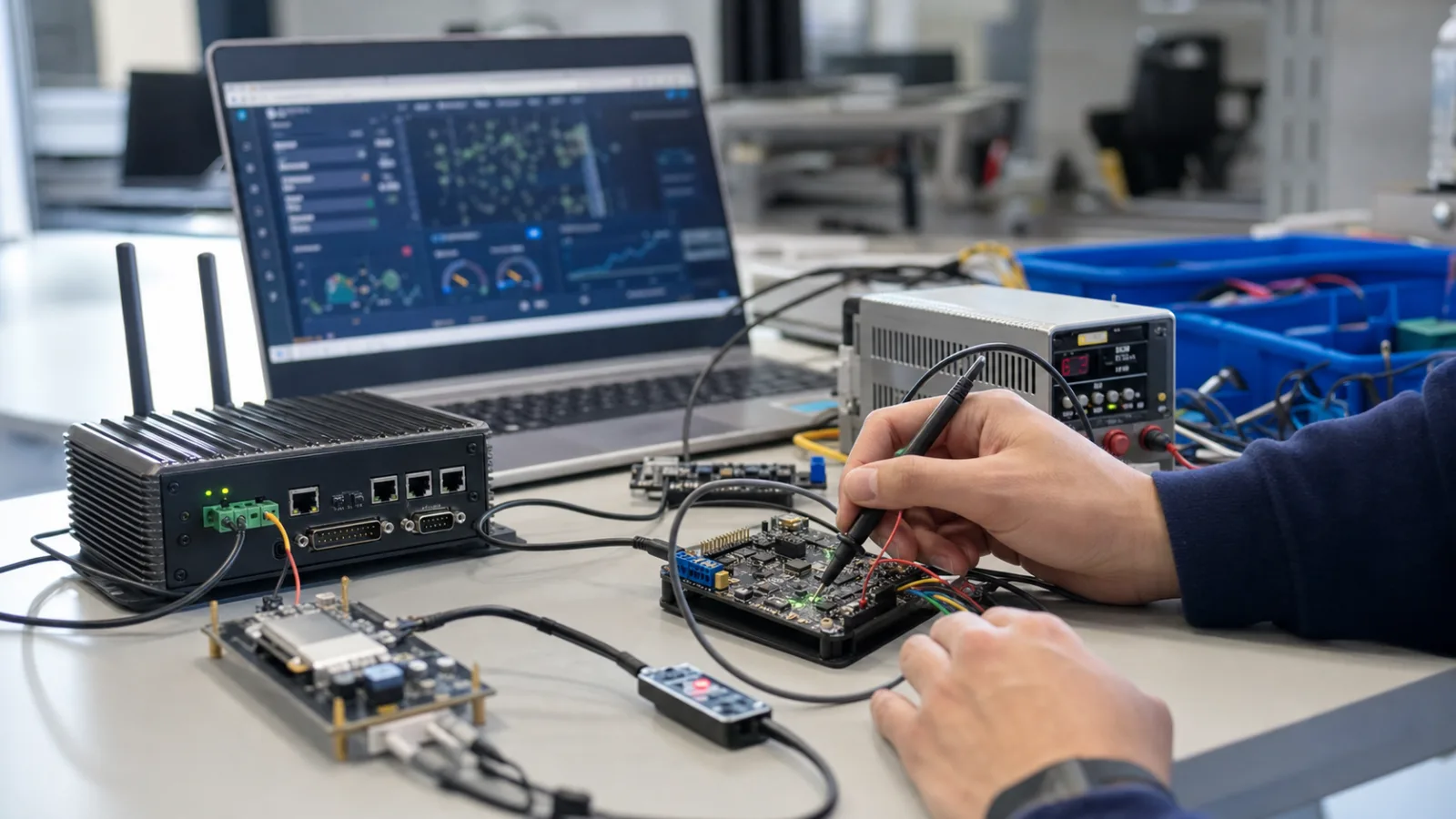
Use product hardware thinking before committing to production tooling
IoT hardware is not only a PCB. It includes firmware interfaces, cloud onboarding, enclosure fit, factory test, certifications, and field support.
- Module and interface decisions tied to real deployment
- Firmware and cloud handoff considered during hardware planning
- Pilot evidence prepared before production commitment
Workstreams that move the project toward a usable product
Each workstream connects a real device, workflow, user role, or operating constraint with the software and hardware decisions required for delivery.
Hardware feasibility and PoC
Confirm sensor, compute, wireless, power, enclosure, and cost choices against the product workflow.
PCBA and module coordination
Review schematic, layout, BOM, module selection, test points, and manufacturing assumptions.
Firmware interface planning
Pin map, boot, flashing, calibration, OTA, diagnostics, and platform payload requirements.
Prototype validation
Bring-up, smoke tests, radio checks, environmental constraints, and workflow acceptance evidence.
Edge hardware integration
Cameras, gateways, AI boxes, sensors, peripheral devices, and field deployment requirements.
Production handoff support
Test fixture plan, QA records, known risks, and next iteration or manufacturing notes.
From hardware idea to integrated connected product
The right hardware path connects physical constraints with firmware, gateway, cloud, and service operations.
Device requirements
Target environment, interfaces, power, sensor accuracy, radio, and enclosure constraints.
Prototype design
Module selection, schematic review, PCBA coordination, and firmware interface planning.
Software integration
Firmware, provisioning, platform fields, OTA behavior, and service diagnostics.
Pilot validation
Test fixtures, acceptance data, reliability checks, and production notes.
Key engineering decisions to make before production
The most valuable work is often the integration boundary, recovery behavior, diagnostics, and ownership model that keeps the system maintainable.
Module selection
Balance compute, wireless, memory, interfaces, cost, lifecycle, certification, and supply availability.
Power and thermal risk
Battery, adapter, heat, duty cycle, enclosure, and environment assumptions are reviewed early.
Radio and enclosure fit
Antenna placement, enclosure material, installation site, and real-world signal conditions are considered.
Factory test readiness
Flashing, calibration, test points, labels, serial numbers, and QA records are part of the scope.
Firmware/platform contract
Hardware behavior is mapped to firmware states, payload fields, commands, and diagnostics.
Pilot evidence
Prototype results are recorded so production decisions are based on real device behavior.
Hardware quality is proven by integration, not only by specs
Smart hardware quality depends on how the device is powered, updated, connected, diagnosed, and operated after shipment.
Validate the hardware path before deep manufacturing cost.
Board design is checked against firmware and product requirements.
The output includes test evidence and rollout constraints.
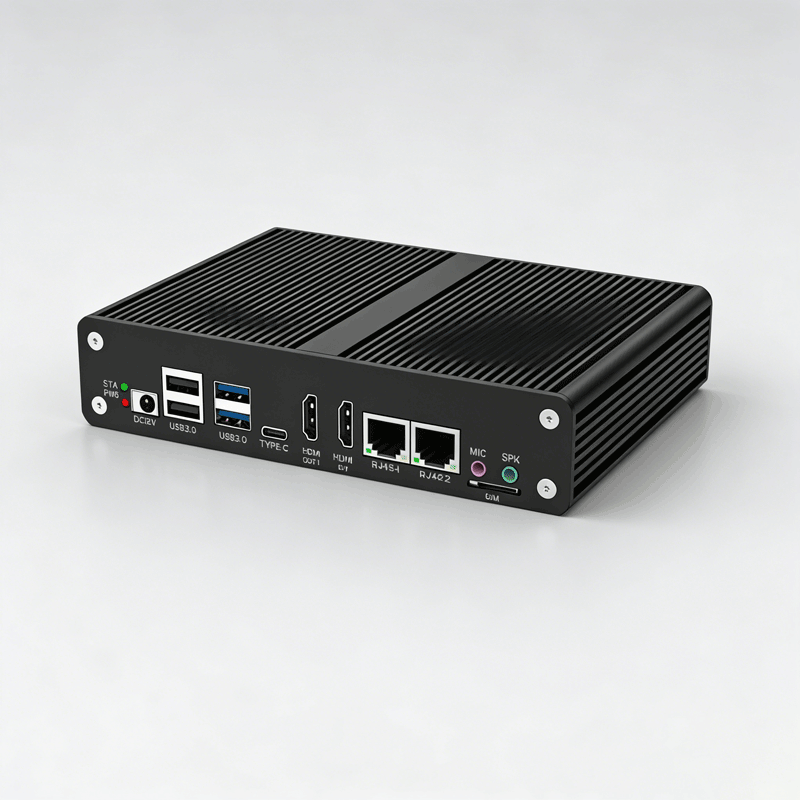
Where this service creates measurable product value
Service pages should show the operating environment, not only describe the technology stack.
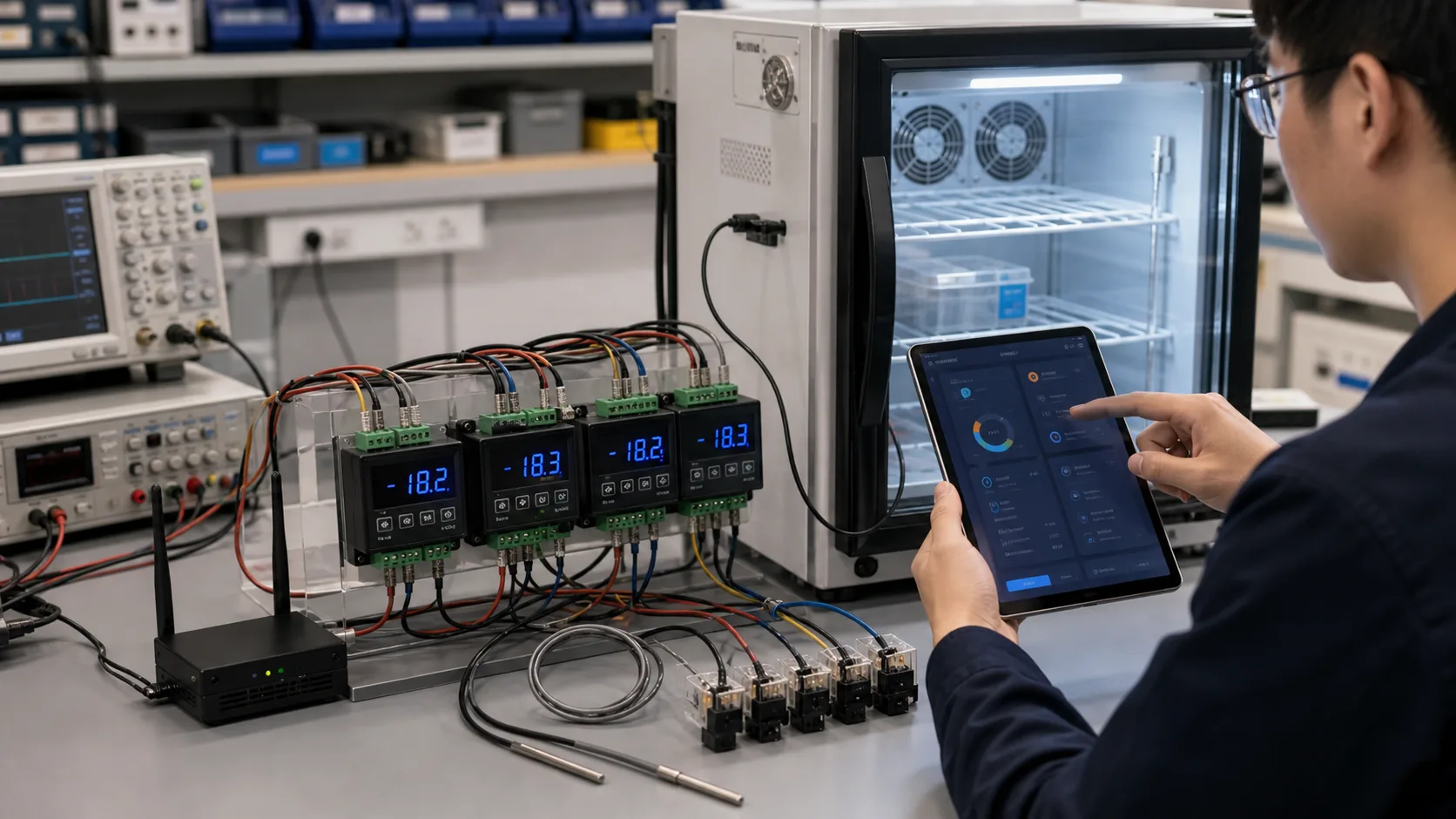
Connected equipment OEMs
Add sensors, controllers, connectivity, and cloud-ready behavior to existing equipment products.
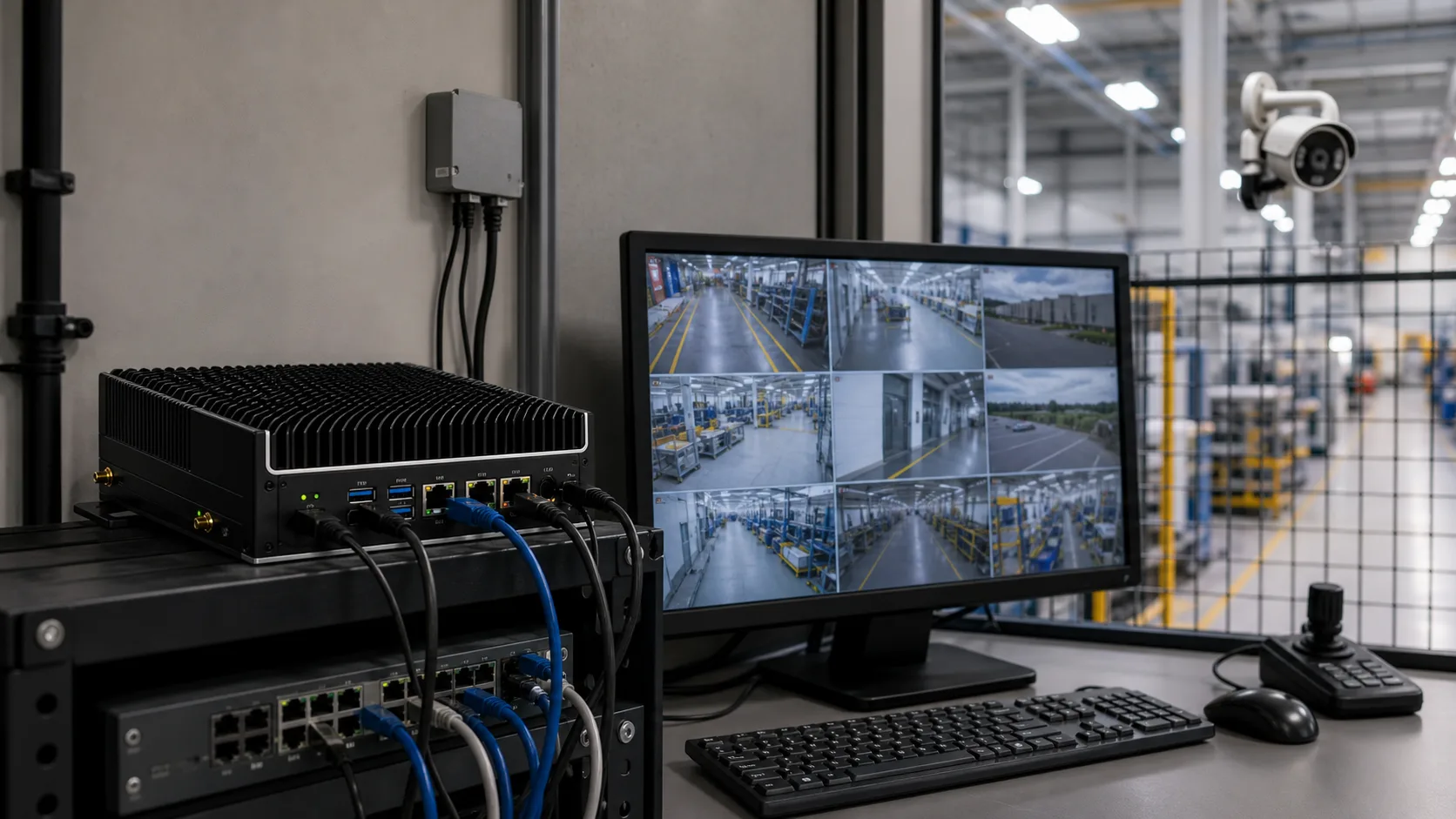
Edge AI terminals
Select compute, camera, ports, enclosure, and local inference path for AI-enabled field devices.
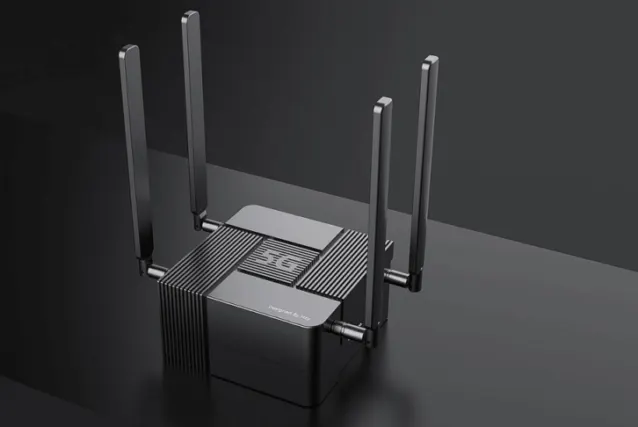
Industrial gateways and modules
Plan serial ports, 4G, Ethernet, RS485, power, and protocol hardware for site integration.
What ZedIoT delivers
The output should help your team make a clear build decision, validate the first release, and keep the system maintainable after launch.
Hardware feasibility
Recommended module, sensor, compute, power, and interface path.
Prototype integration
Firmware, connectivity, cloud onboarding, and validation support.
Production notes
BOM concerns, test points, known risks, and handoff documentation.
How the work moves from feasibility to handoff
Requirement and field review
Confirm device environment, interfaces, sensor goals, power limits, enclosure, and business workflow.
PoC and component choice
Select modules, sensors, compute, radio, and prototype architecture for the fastest proof path.
Prototype integration
Coordinate PCBA, firmware, cloud onboarding, diagnostics, and test behavior.
Pilot validation
Test radio, power, heat, control logic, device data, and service workflows with representative conditions.
Production notes
Prepare BOM risks, fixture needs, QA records, known limits, and next hardware iteration plan.
Practical advantages for AI + IoT product delivery
Hardware and software planned together
We do not separate PCBA, firmware, platform, and support decisions into isolated tracks.
Product proof before production cost
PoC and pilot validation reduce risk before tooling, certification, or large-volume decisions.
AI + IoT edge context
We can connect hardware choices with gateways, edge AI, cloud services, and business workflows.
Questions to resolve before scope is locked
What is the first step for a IoT Hardware PoC, Design and Development project?
Start with a short feasibility review: target device or workflow, existing assets, business goal, integration systems, data availability, and the smallest useful pilot.
Can ZedIoT work with existing devices or platforms?
Yes. Many projects reuse existing controllers, gateways, SaaS systems, databases, or field workflows. We define the integration boundary before rebuilding anything.
Can the project be delivered in phases?
Yes. A typical path is feasibility, prototype, staged development, pilot validation, production hardening, and handoff.
Does the page support private deployment or source-code delivery?
For custom engineering projects, private deployment, source-code delivery, documentation, and handoff materials can be included in the commercial and technical scope.
Discuss IoT Hardware PoC, Design and Development
Share the device, workflow, system integration, deployment requirement, or business outcome you want to validate. We will help turn it into a practical AI + IoT implementation path.
- AI + IoT product architecture review
- Hardware, firmware, cloud, and application integration
- Prototype planning and production support